The 2026 US-Israeli Strikes on Iran and Iranian Counterattacks
Background: A Conflict Years in the Making
The escalation of tensions between the United States, Israel, and Iran in early 2026 culminated in a series of military actions that have significantly altered the geopolitical landscape of the Middle East. Rooted in longstanding disputes over Iran's nuclear program, regional proxy conflicts, and mutual accusations of aggression, these events unfolded amid failed diplomatic negotiations.
February 28: The Joint Strike on Iran
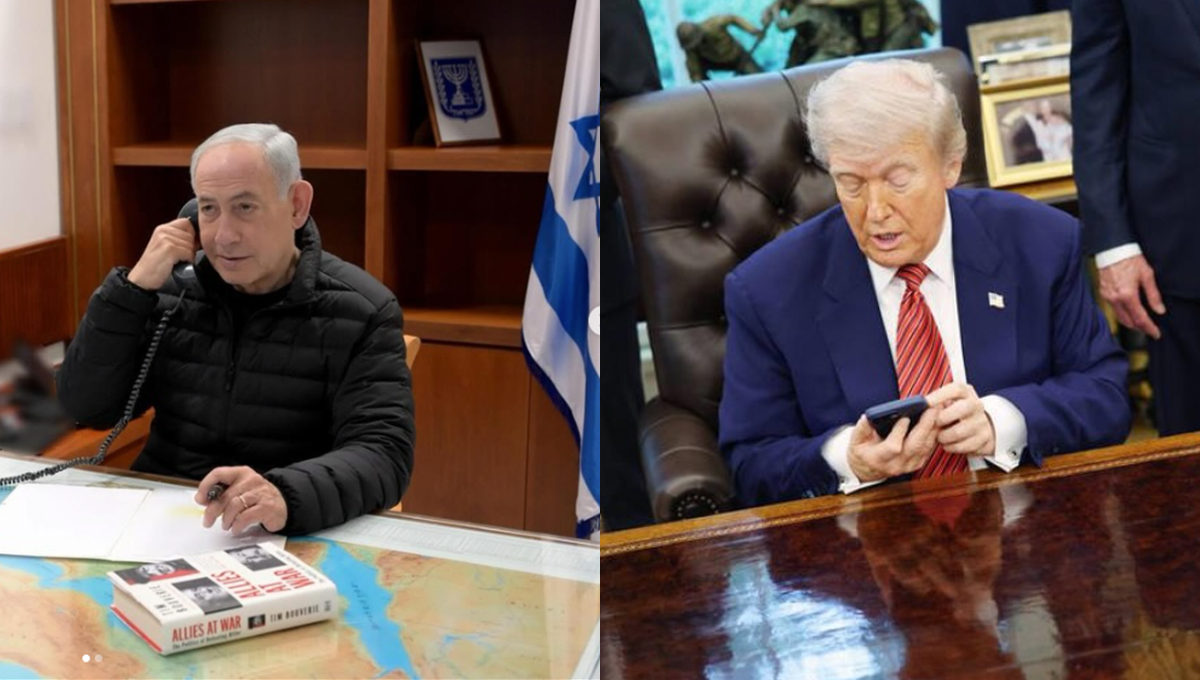
On February 28, 2026, the United States and Israel launched a joint military operation against Iran, codenamed "Roaring Lion" by Israel and "Epic Fury" by the U.S. President Trump announced the start of what he called "major combat operations" targeting Iran's missile industry, naval capabilities, and leadership structures.
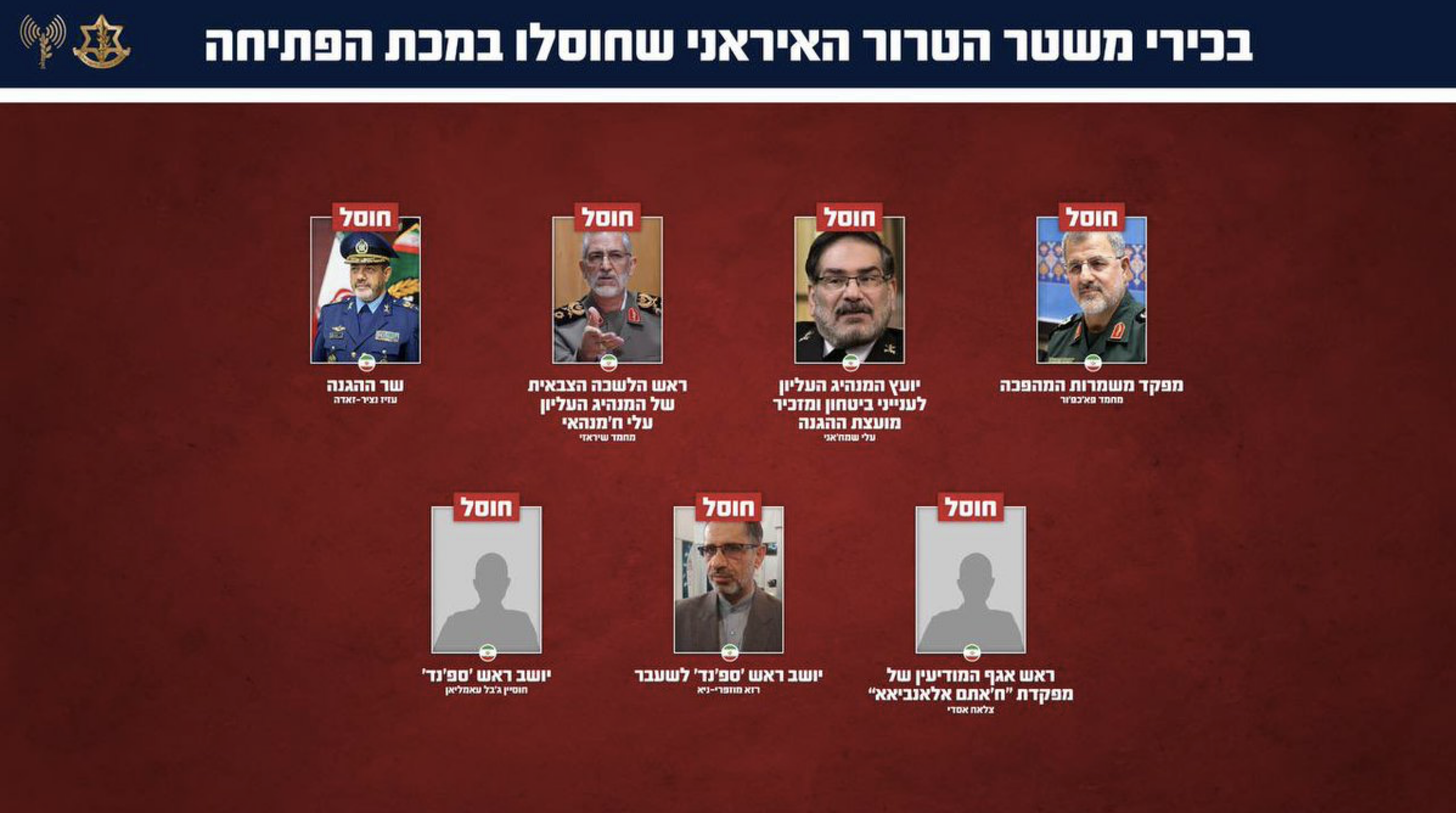
Israeli forces conducted preemptive strikes on military sites, ballistic missile factories, and government facilities in Tehran, Isfahan, Qom, Karaj, and Kermanshah. Explosions were reported near the Supreme Leader's offices and the presidential headquarters. Bunker-buster bombs were reportedly used to target a high-security compound where Khamenei was meeting with senior military leaders.
Iranian Foreign Minister Abbas Araghchi denounced the attacks as "wholly unprovoked, illegal, and illegitimate." The operation's stated aim was to neutralize perceived threats to U.S. and Israeli security and to destabilize the Islamic Republic's command structure.
Iran's Counteroffensive
In response to the strikes, Iran mobilized its forces under the Islamic Revolutionary Guard Corps (IRGC), appointing Ahmad Vahidi as the new commander-in-chief. By late February 28, Iran launched ballistic missiles and drones targeting Israel and U.S. military installations across the region.
The initial wave included dozens of missiles aimed at Jerusalem and other Israeli cities, as well as U.S. bases in Bahrain (Fifth Fleet headquarters), Kuwait (Ali Al Salem), Qatar (Al Udeid), the United Arab Emirates (Al Dhafra), Jordan, Saudi Arabia, Iraq, and Syria. Iranian fighter jets were observed taking off over Tehran to counter potential further incursions.
The IRGC claimed to have targeted 27 U.S. military locations, with explosions and smoke reported in Manama, Doha, Abu Dhabi, and other Gulf cities. Many projectiles were intercepted by defensive systems, resulting in limited damage, though one fatality was reported in the UAE. Iranian proxies including Hezbollah and the Houthis were activated as part of the counteroffensive. An Iranian official described the response as "faster, more forceful, and more extensive" than previous conflicts.
The IRGC closed the Strait of Hormuz, immediately disrupting global oil flows and triggering a surge in oil prices.
March 1: Continued Escalation
Israel announced a new wave of strikes described as targeting "the heart of Tehran," with a continuous aerial campaign underway. Fresh explosions were reported across Tehran.
Explosions reported in Dubai, Doha, and Manama. Iranian drones were intercepted over Erbil in Iraq, indicating an expansion of the conflict's geographical scope.
Israel's Iron Dome and other layered defenses intercepted incoming missiles, with air raid sirens sounding nationwide. Airports across the Middle East suspended operations.
U.S. embassies including those in Bahrain closed due to ongoing threats. President Trump indicated that "heavy and pinpoint bombing" would continue as necessary.
International Response
UN Secretary-General Antonio Guterres condemned both the initial strikes and retaliatory actions, stating they "undermine international peace and security." Russia, China, and North Korea issued statements denouncing the U.S. and Israeli attacks. Allies of Iran, including Yemen's Houthi rebels, pledged solidarity and readiness for further escalation.
The conflict has produced a leadership crisis in Iran, with no clear successor to Khamenei, potentially deepening internal instability. Economically, oil prices surged sharply due to the closure of the Strait of Hormuz and broader disruptions in the Persian Gulf. As events remain fluid, the risk of broader regional involvement by additional state and non-state actors persists.
This account reflects information available as of March 1, 2026, and may evolve with further developments.
Kai Tutor | The Societal News Team
Follow Us!
It helps decentralize our presence across the web and it's completely free!
Instagram ➤
Youtube ➤
Substack ➤
X.com ➤
Telegram ➤
TikTok ➤