The Hidden Funding Behind America's Major Protests
The Infrastructure Behind the Outrage
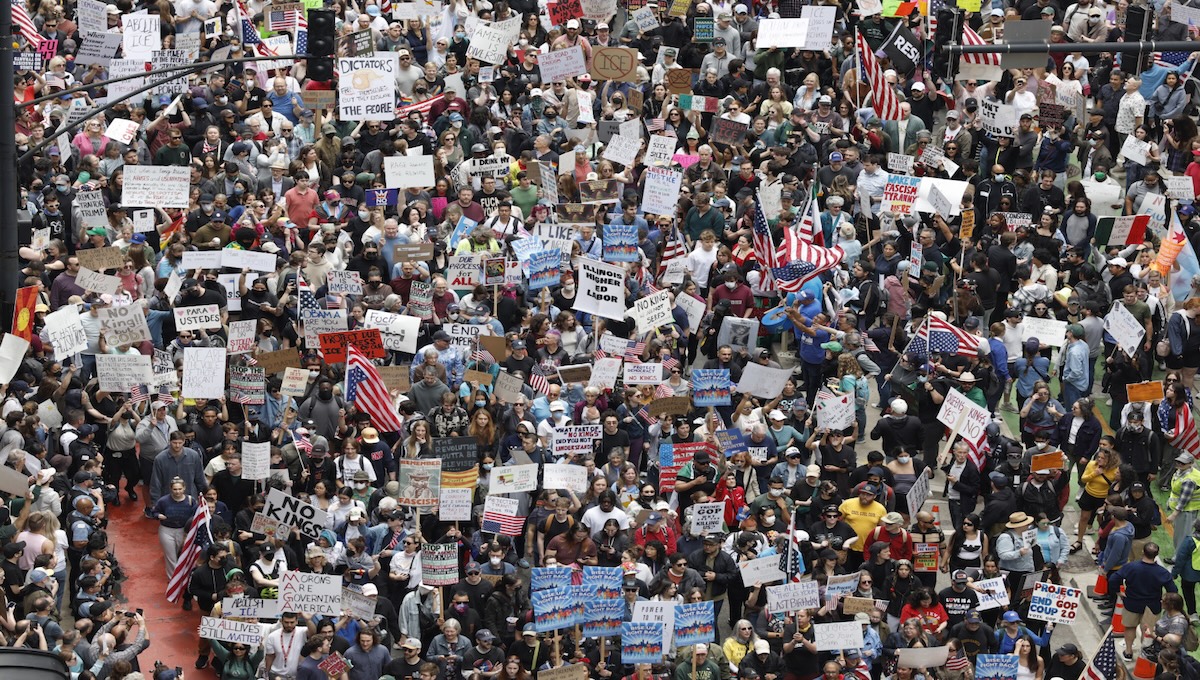
Major U.S. protests often appear as spontaneous outbursts of public anger, but large-scale ones depend heavily on organized funding and hidden costs for planning, promotion, and logistics. While nearly all individual participants march without direct payment and are motivated by real grievances, the infrastructure required to reach hundreds of thousands or millions of people involves substantial financial investment.
Key funding comes from billionaires and their foundations, frequently channeled through non-profits and dark-money networks that obscure donor identities. A dark money network is a system where large amounts of money, often from wealthy individuals, corporations, or foundations, are funneled into influencing elections, public policy, protests, or social causes without publicly disclosing the original donors' identities.
Who Are the Major Funders?
George Soros's Open Society Foundations gave $7.61 million to Indivisible, a company that owns multiple non-profits and PACs, including a $3 million grant in 2023, which supported the coordination of the October 2025 "No Kings" protests against Trump. Those demonstrations involved more than 200 allied groups and drew millions of participants across thousands of events nationwide.
Other major contributors include Hansjorg Wyss-linked networks that transferred over $293 million to progressive causes, the Arabella Advisors ecosystem, the Tides Foundation, the Rockefeller Brothers Fund, and the Ford Foundation.
In some cases taxpayer money flows indirectly into protest-related activities. California, for example, has provided grants exceeding $100 million to organizations such as CHIRLA (Coalition for Humane Immigrant Rights), which engages in immigration advocacy and has been linked to anti-ICE demonstrations.
What a Nationwide Protest Actually Costs
The actual costs that enable protests to scale include several distinct categories.
These figures exclude indirect public costs like police overtime or broader economic impacts.
Major Protests and Their Funding Sources
The following breakdown covers major U.S. protest movements from 2020 to 2026, drawing on publicly available funding disclosures, IRS filings, and investigative reporting.
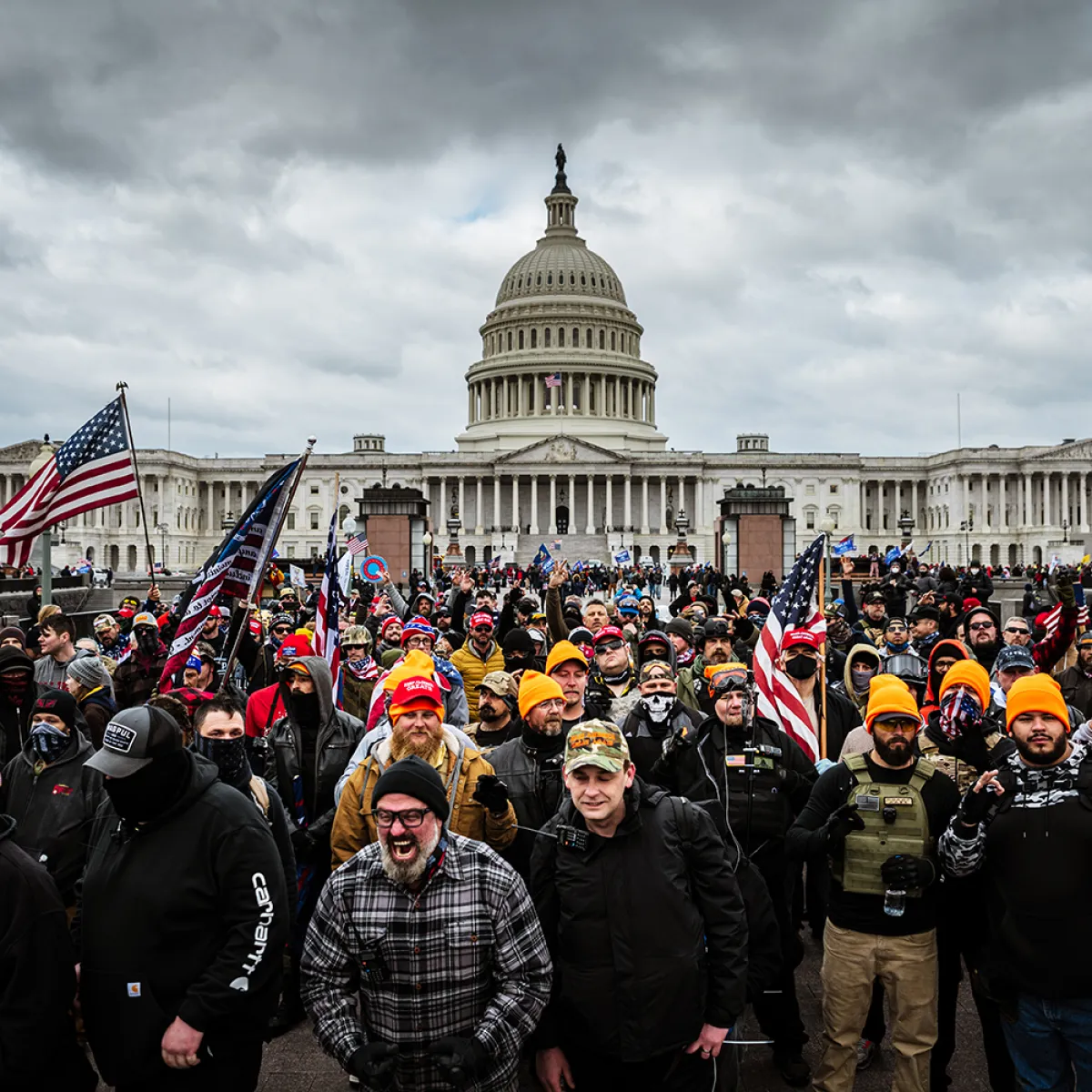
Organized by groups like Women for America First (501(c)(4)), which received over $3 million in dark money for the Stop the Steal event. Turning Point Action raised $11.2 million in 2020 to 2021, including two anonymous seven-figure donations, and helped promote the rally. Super PACs like Preserve America (backed by Sheldon Adelson's $90 million) and America First Action (funded by Fanjul Corp at $725,000 and Vital Pharmaceuticals at $250,000) supported Trump allies involved. Post-event, corporations donated $10 million or more to the 147 lawmakers who objected to election certification, including Boeing ($274,000), Koch Industries ($180,500), and General Dynamics ($174,500).
U.S. donors contributed $4.2 million (44% of total) to the Canadian trucker convoy via GiveSendGo, with endorsements from Republicans like Ted Cruz and Marjorie Taylor Greene. Similar U.S. anti-vaccine rallies were backed by dark money from groups like Turning Point USA.
Foundations funneled $1 billion to 155 organizations pushing voter restrictions, purges, and denialism, controlling over $7 billion in assets. Examples include the Texas Public Policy Foundation ($8.6 million, including $1.4 million from the Charles Koch Foundation) for its Election Protection Project, and the Public Interest Legal Foundation ($3.7 million budget by 2023) for voter purges. Donors include the Bradley Foundation, Searle Freedom Trust, Sarah Scaife Foundation, and donor-advised funds like DonorsTrust.
Nearly half of collaborating organizations received dark money from Leonard Leo's network, including the Marble Freedom Trust. Heritage Foundation received a $25 million gift. Christian Right groups spent $280 million globally from 2007 to 2018, with $90 million in Europe. Some organizations like American Compass received cross-aisle funding (including $2 million from the Hewlett Foundation), but core support is from conservative networks.
Raised approximately $90 million overall, primarily from small donations but amplified by major foundations. Open Society Foundations committed $220 million post-George Floyd for racial justice groups (not directly to BLM but to aligned efforts like the Equal Justice Initiative). Tides Foundation partnered with BLM Global Network Foundation for fund management and received millions from Soros-linked sources. Operating expenses included $8.4 million for staff, consultants, and promotion, and $37.7 million disbursed in grants.
Coordinated by Indivisible and over 200 allied groups including the ACLU, MoveOn, and Democratic Socialists of America. Open Society Foundations provided $7.61 million total to Indivisible since 2017, including a $3 million two-year grant in 2023 for data, communications, and mobilization. Drew millions across thousands of events. Funding supported organizing and promotion, not direct protester payments.
Involved groups like Jewish Voice for Peace (JVP), Students for Justice in Palestine, IfNotNow, and Palestine Legal. The Tides Foundation was seeded by Soros and supported by the Rockefeller Brothers Fund (nearly $500,000 direct to JVP over five years; $1 million or more to Tides in 2023, some earmarked for pro-Palestine work). Open Society Foundations granted $875,000 to JVP from 2017 to 2022, and millions to Tides from 2020 to 2021, partly for Palestinian rights. Funding covered advocacy, education, and campus organizing.
Backed by the Climate Emergency Fund (founded by Aileen Getty and others), which dispersed millions including $1 million or more to Extinction Rebellion and Just Stop Oil for organizers and direct actions. The Rockefeller Brothers Fund and Ford Foundation supported broader climate networks. Getty family heirs provided personal donations of $600,000 or more to the Climate Emergency Fund. Funding enabled disruptive civil disobedience, organizer salaries, and logistics.
Early funding tied to Soros-linked groups, with Open Society Foundations supporting partners like Planned Parenthood, MoveOn, and the ACLU. Ford Foundation provided grants reported at $152,000 or more in some analyses. Revenue from small donors and foundations supported events focused on gender justice, reproductive rights, and anti-Trump advocacy.
Coordinated by groups including CHIRLA (which received $34 million or more in California state grants in 2023, plus federal funds), MoveOn.org (funded by Open Society and the Sixteen Thirty Fund), and Arabella Advisors networks. Alleged ties to Neville Roy Singham and foreign-linked dark money have been raised by investigators. Funding supported logistics, legal aid, and national coordination for actions opposing ICE raids.
Amplification, Not Fabrication
This funding structure amplifies authentic public sentiment into massive, coordinated demonstrations. The participants are real, and their grievances are real. What money provides is scale: the ability to reach millions of potential participants through digital advertising, to move people via organized transportation, and to sustain multi-week efforts through paid staff and legal support.
At the same time, the heavy reliance on dark-money channels on both sides of the political divide continues to spark debate about external influence, authenticity, and the need for greater transparency in how protest movements are financed and sustained.
Kai Tutor | The Societal News Team
Follow Us!
It helps decentralize our presence across the web and it's completely free!
Instagram ➤
Youtube ➤
Substack ➤
X.com ➤
Telegram ➤
TikTok ➤