The Crisis and What Triggered It
Cuba is in the middle of a severe oil crisis driven by US policy. On January 29, 2026, President Trump signed an executive order threatening tariffs on any country that sells or provides oil to Cuba. UN human rights experts swiftly condemned the order, calling it "a serious violation of international law and an extreme form of unilateral economic coercion with extraterritorial effects."
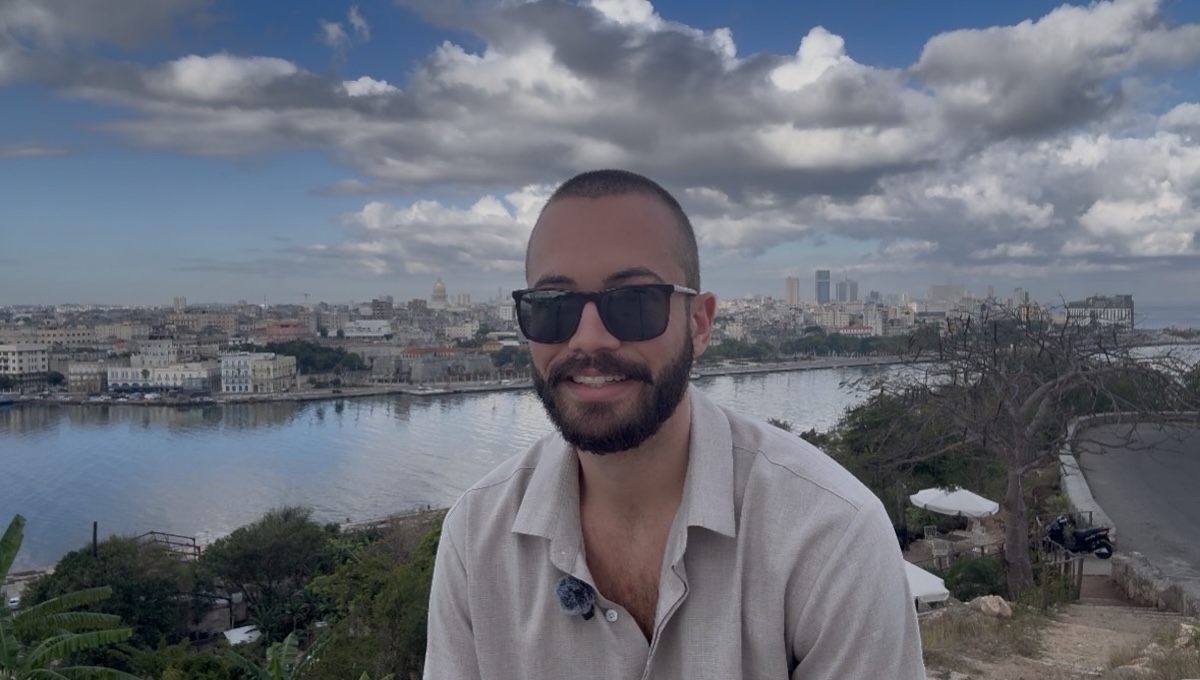
Western media quickly labeled the situation a humanitarian crisis, painting a picture of near-total collapse. Having visited Cuba before in 2018, I knew the Cuban people are resilient and accustomed to hardship. So I went to see for myself.
What I found on the ground was stark but more nuanced than the headlines suggest.
Fuel Prices and the Energy Collapse
Oil prices have skyrocketed due to scarcity. Fuel is selling for $10 or more per liter, equivalent to $35 or more per gallon. On the black market, fuel is reportedly running $600 or more per tank depending on location.
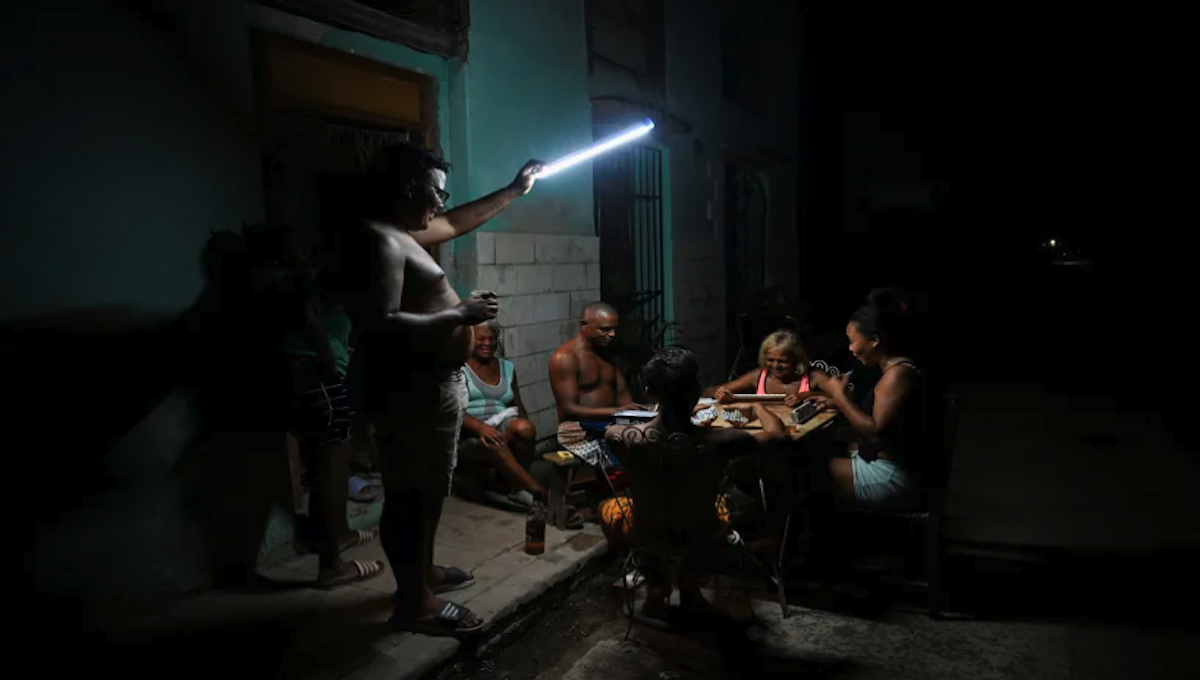
In Havana, life was operating somewhat normally, though rolling blackouts of 6 to 16 hours were a daily reality at the casa particular where I stayed. The government district, Havana Centro, maintained more consistent power through generators and backup systems, while Old Havana and surrounding neighborhoods bore the brunt of the outages.
The Currency Collapse
Every Cuban I spoke with described the crisis not as humanitarian, but primarily as an economic one.
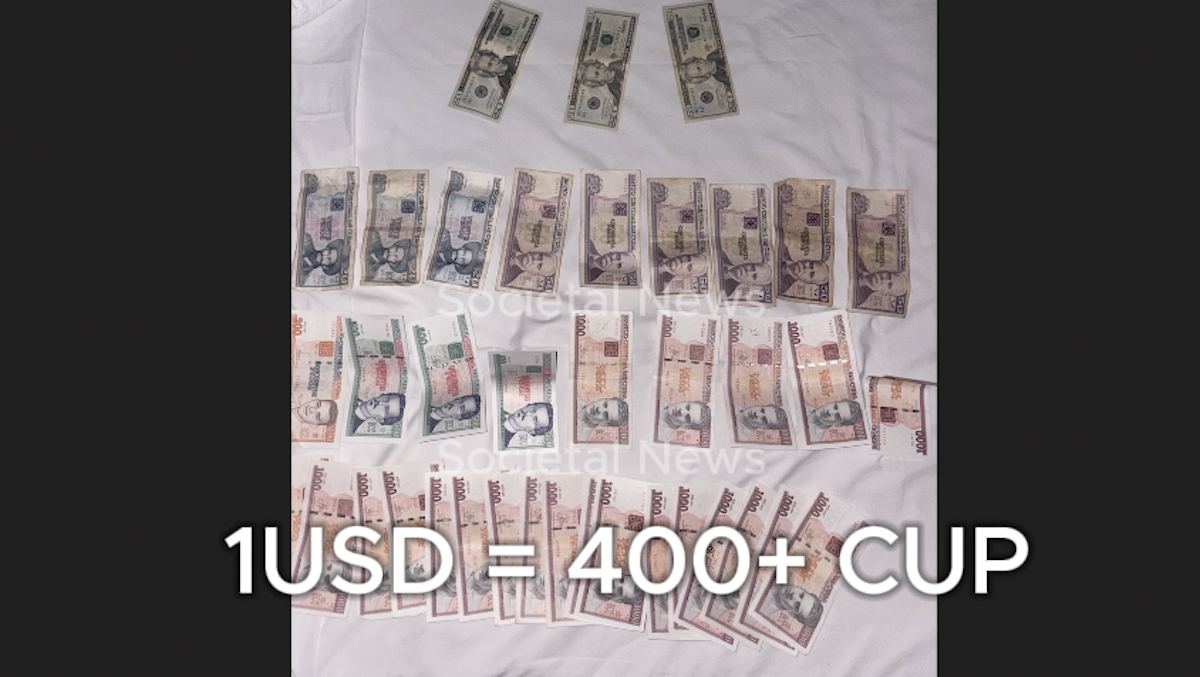
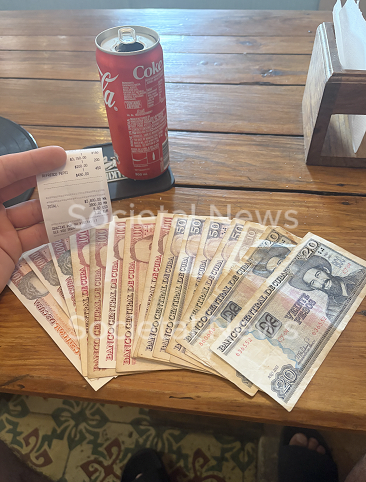
Cuba has been battling severe currency instability for years. When I visited in 2018, Cuba maintained three currencies: the US dollar, the Cuban Convertible Peso (CUC, pegged 1:1 to the dollar), and the Cuban Peso (CUP, pegged roughly 24:1 to the dollar). In 2021, the government eliminated the CUC and attempted monetary unification, setting a single official rate of 24 CUP per dollar.
That system quickly broke down. The black market rate has since surged dramatically, sitting around 400 to 500 CUP per dollar at the time of my visit in March 2026, compared to the official government exchange rate of roughly 120 CUP per dollar.
This inflation has devastated anyone relying on government wages. Workers I spoke to earned the equivalent of $10 to $20 per month at black market rates, a salary being rapidly eroded by the peso's collapse.
Who Is Suffering Most
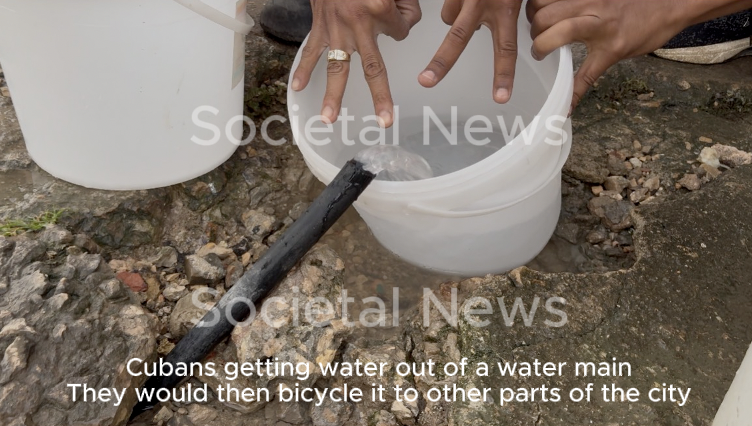
The oil and energy crisis is hitting Cuba's poorest the hardest, as it always does. The poor rely on water pumps that fail during blackouts, store water in buckets, and have no cushion against rising food prices. The middle class survives largely on remittances from family abroad. The wealthy in Cuba are overwhelmingly government officials who have insulated themselves from the crisis with generators and backup systems.
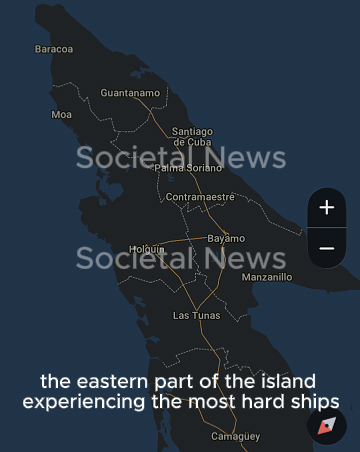
The real humanitarian crisis, multiple Cubans told me, is in the eastern part of the island. A hurricane several years ago devastated infrastructure there that was never fully rebuilt. The blackouts are longer, fuel is more expensive to transport, and food and water access is far more strained and expensive.
What Ordinary Cubans Actually Think
On the political question, not a single Cuban I spoke with expressed a desire for revolution or US military intervention. Every person I talked to, unprompted, expressed anger toward Trump and Marco Rubio, and warm feelings toward Barack Obama.
They remembered in detail which hotel Obama stayed at, which restaurant he visited, and which Cuban TV program he appeared on, often pulling up the footage on their phones and showing me. Obama's diplomatic approach clearly left a lasting positive impression, and the contrast with the current pressure campaign is vivid to people on the ground.
Internet Access and Information Control
Internet access has deteriorated significantly since my 2018 visit. The public Wi-Fi parks that once dotted Havana have been largely shut down, with most Cubans now relying on cellular data. This shift, in my view, gives the government greater ability to monitor and censor online activity. VPNs, Telegram, WhatsApp, Facebook, and Instagram are blocked or intermittently restricted.
Where This Is Heading
If Trump's executive order remains in force, the trajectory is clear. Cuba's poorest, already struggling with water shortages, food insecurity, and deteriorating infrastructure, will be pushed toward increasingly severe conditions. The prolonged fuel deprivation risks pushing the most vulnerable toward malnutrition, dehydration, and famine-like conditions in a country just 90 miles from Miami.
Rather than military pressure and economic coercion, the US would do better to revisit the kind of professional diplomacy that Obama pursued, an approach that, based on what I heard from ordinary Cubans, actually built goodwill, opened doors, and warmed the hearts of Cubans to the American way.
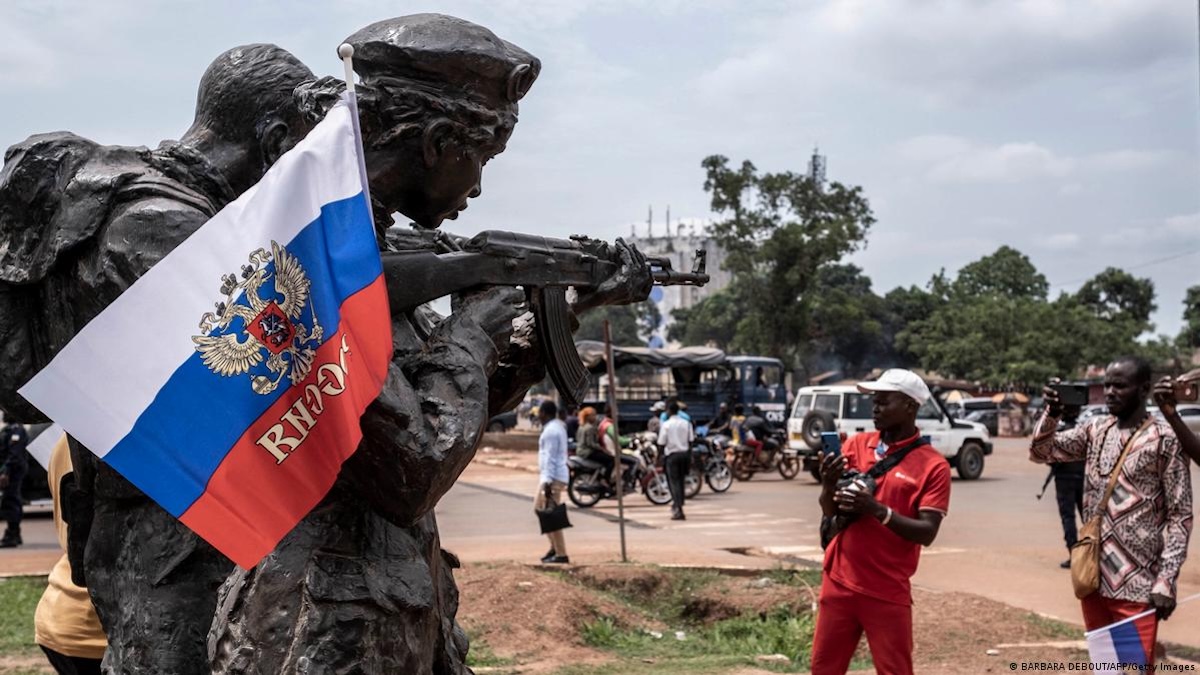
The heavy-handed tactics currently being employed are disproportionate given Cuba's negligible military threat. History has shown that economic isolation does not weaken the Cuban government. It pushes the island closer to Russia and China. Designating Cuba an enemy and cutting it off from Western trade has the predictable consequence of driving it into partnerships with the nations the US considers its primary geopolitical rivals.
Kai Tutor | The Societal News Team
Follow Us!
It helps decentralize our presence across the web and it's completely free!
Instagram ➤
Youtube ➤
Substack ➤
X.com ➤
Telegram ➤
TikTok ➤