What is the Greenland Crisis? Why the US Wants It
What Is the Greenland Crisis?
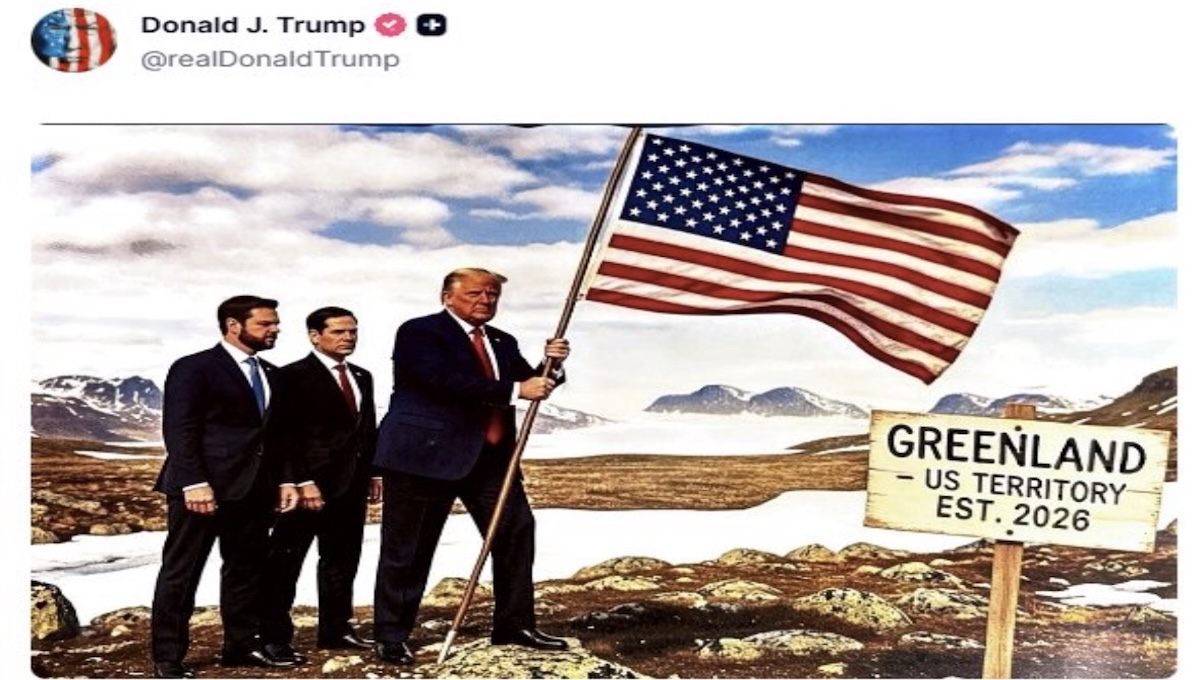
In early 2026, U.S. President Donald Trump intensified calls for the acquisition of Greenland, a self-governing Danish territory, framing it as essential for national security. During his address at the World Economic Forum in Davos on January 21, 2026, Trump stated that "no nation or group of nations is in any position to be able to secure Greenland other than the United States," while ruling out military force but emphasizing immediate negotiations.
This rhetoric echoes Trump's 2019 proposal to purchase the island, which was dismissed by Danish officials, but has gained renewed urgency amid escalating global tensions. Greenland's strategic value extends beyond its geographic position in the Arctic. It encompasses critical mineral resources, military positioning against rising threats from Russia and China, and potential economic stabilization in the face of U.S. dollar debasement.
Geostrategic Positioning: The Arctic Race
Greenland's location in the Arctic Circle positions it as a pivotal asset in an increasingly contested region. As ice caps melt, new shipping routes such as the Northern Sea Route are opening, potentially reshaping global trade and military logistics. Russia has expanded its military infrastructure in the Arctic, including radar installations and defense systems on islands like Novaya Zemlya. According to a 2026 report from the Center for Strategic and International Studies, Russia maintains 30 military sites in the Arctic compared to 36 across NATO countries, underscoring the region's accelerating militarization.
China, despite not being an Arctic state, has pursued a Polar Silk Road strategy and collaborated with Russia on joint patrols, including a notable operation in the Bering Sea in 2024. In 2026, NATO's Europe commander highlighted growing Sino-Russian cooperation as a direct threat, with joint naval and air activities testing Western defenses.
Trump's administration views Greenland as a counterweight, potentially hosting expanded U.S. facilities like Pituffik Space Base for missile warning and surveillance. Under existing agreements with Denmark, the U.S. already possesses the right to establish additional military bases on Greenland if deemed necessary for defense purposes. However, full acquisition would grant sovereign control, eliminating dependencies on foreign approvals and enabling unrestricted development of Arctic infrastructure to deter adversaries.
$4.4 Trillion in Minerals
Greenland's untapped mineral wealth is a cornerstone of U.S. interest, particularly in the context of potential conflict with China. The U.S. Geological Survey estimates Greenland's rare earth element (REE) reserves at 1.5 million metric tons of proven resources, with potential estimates reaching up to 36 million metric tons, placing it eighth in global rankings.
These minerals are indispensable for military technologies including F-35 jets, satellites, and batteries. In a U.S.-China conflict scenario, disruptions to Chinese-controlled supply chains could cripple U.S. defense production. Trump's push aligns with ongoing U.S. efforts to onshore processing, including lobbying to prevent Chinese acquisition of the Tanbreez deposit in 2025. Recent analyses suggest acquisition would secure these assets for U.S. firms, with investors including Jeff Bezos and Bill Gates reported to hold stakes in Greenland mining projects.
Dollar Debasement and Economic Strategy
The U.S. dollar's ongoing debasement adds an economic dimension to Greenland's appeal. In 2026, forecasts predict the dollar index falling to 94 in Q2 before recovering to 100 by year-end, driven by Federal Reserve rate cuts and global growth dynamics. Historical analogs suggest an additional 8% decline amid persistent inflation and dedollarization trends driven by BRICS nations challenging U.S. monetary hegemony.
Controlling Greenland's resources could provide hard assets to bolster economic resilience, potentially backing dollar stability through commodity reserves or reducing import dependencies. Acquisition costs are estimated at over $700 billion, which would be taxpayer-funded, while long-term gains from resource extraction would largely accrue to private corporations. This structure aligns with Trump's America First agenda while positioning the U.S. to counter China's mineral dominance.
Climate, Tariffs, and Alliance Tensions
Climate-induced ice melt is exposing Greenland's resources and opening Arctic shipping routes, amplifying its strategic and economic value. By 2040, demand for critical minerals is projected to quadruple, driven by clean energy technology requirements. The window to secure access to Greenland's deposits is therefore narrowing as other nations, particularly China, seek to establish footholds.
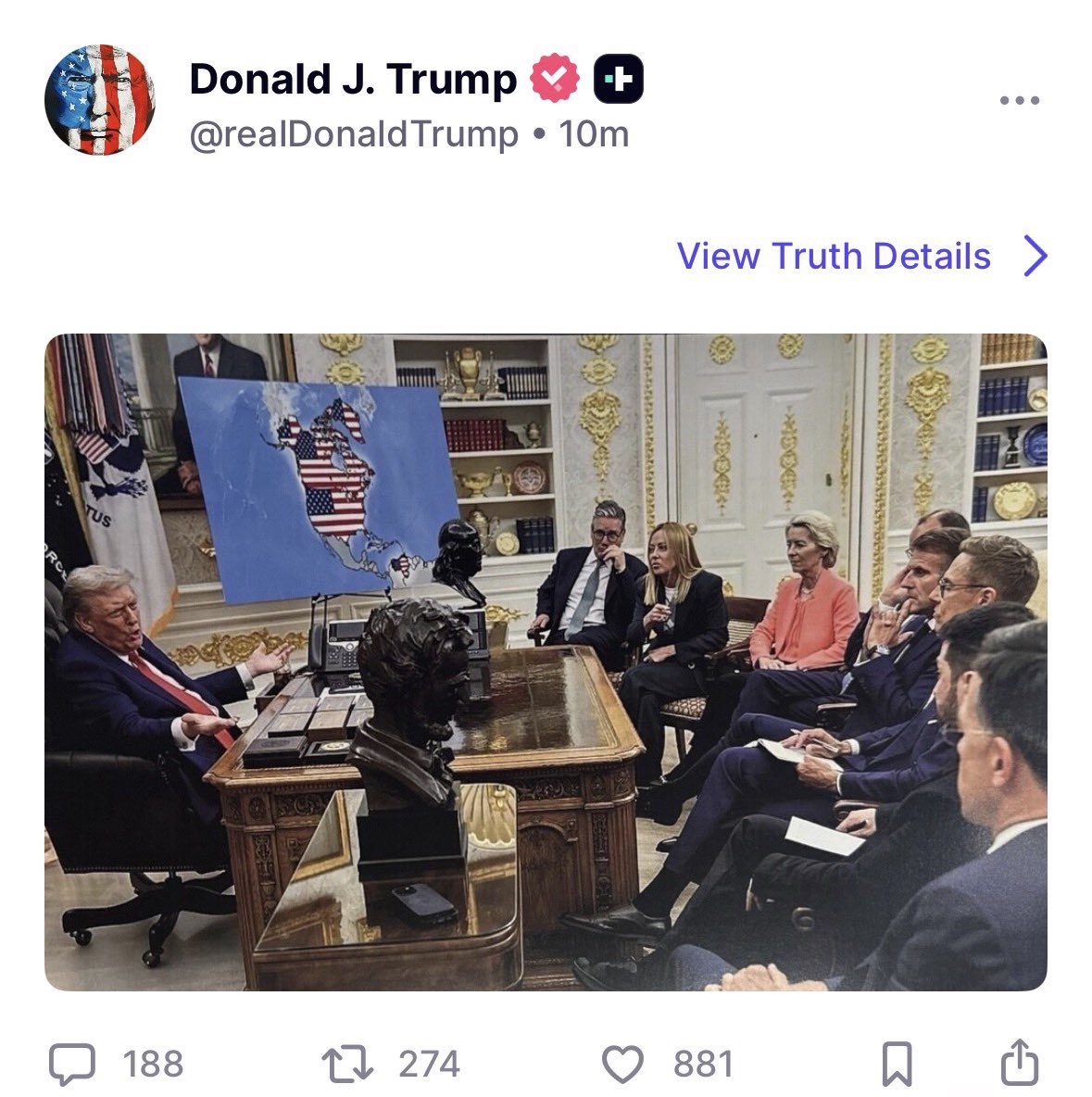
Geopolitically, Trump's approach has created friction with European allies. Tariffs on European nations opposing acquisition have escalated to 25% by mid-2026, raising concerns about NATO cohesion. Supporters like Senator Ted Cruz argue the move serves overwhelming U.S. interests, while critics warn that coercive tactics undermine the alliance structures the U.S. depends on for broader deterrence.
What Comes Next
The U.S. pursuit of Greenland in 2026 is driven by a convergence of security, resource, and economic imperatives. Against the backdrop of Russian and Chinese Arctic advances, the risk of global conflict, and dollar debasement, Greenland offers strategic depth and a path to mineral self-sufficiency. As Trump stated in Davos, "All the United States is asking for is a place called Greenland," but the implications extend far beyond a real estate transaction.
Future policy will need to balance these strategic gains with international norms and alliance obligations. A negotiated arrangement that grants the U.S. expanded military and resource access without full annexation may prove more achievable than outright acquisition, and could preserve the diplomatic relationships that underpin American power more broadly.
Kai Tutor | The Societal News Team
Follow Us!
It helps decentralize our presence across the web and it's completely free!
Instagram ➤
Youtube ➤
Substack ➤
X.com ➤
Telegram ➤
TikTok ➤