The Hidden Costs of Offshoring Western Jobs to India
Offshoring Destroys More Value Than It Creates
In an era of globalization, Western companies spanning tech giants like Google, Amazon, and Microsoft to financial powerhouses such as Goldman Sachs and Deloitte have increasingly offshored jobs to India. This trend, which also includes smaller firms through platforms like Upwork or specialized BPO providers, promises massive cost savings and access to a vast talent pool. But beneath the surface lies a web of root causes, security vulnerabilities, and systemic quality issues that often turn these arrangements into long-term liabilities.
The Core Drivers: Wage Gaps and Labor Oversupply
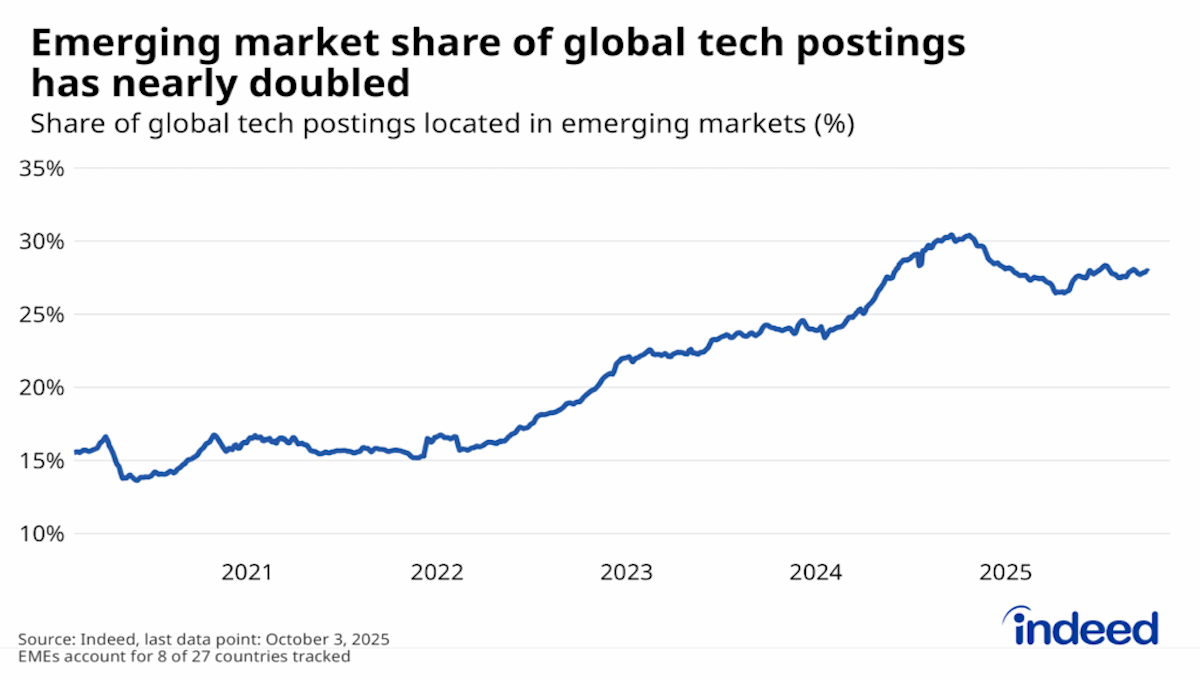
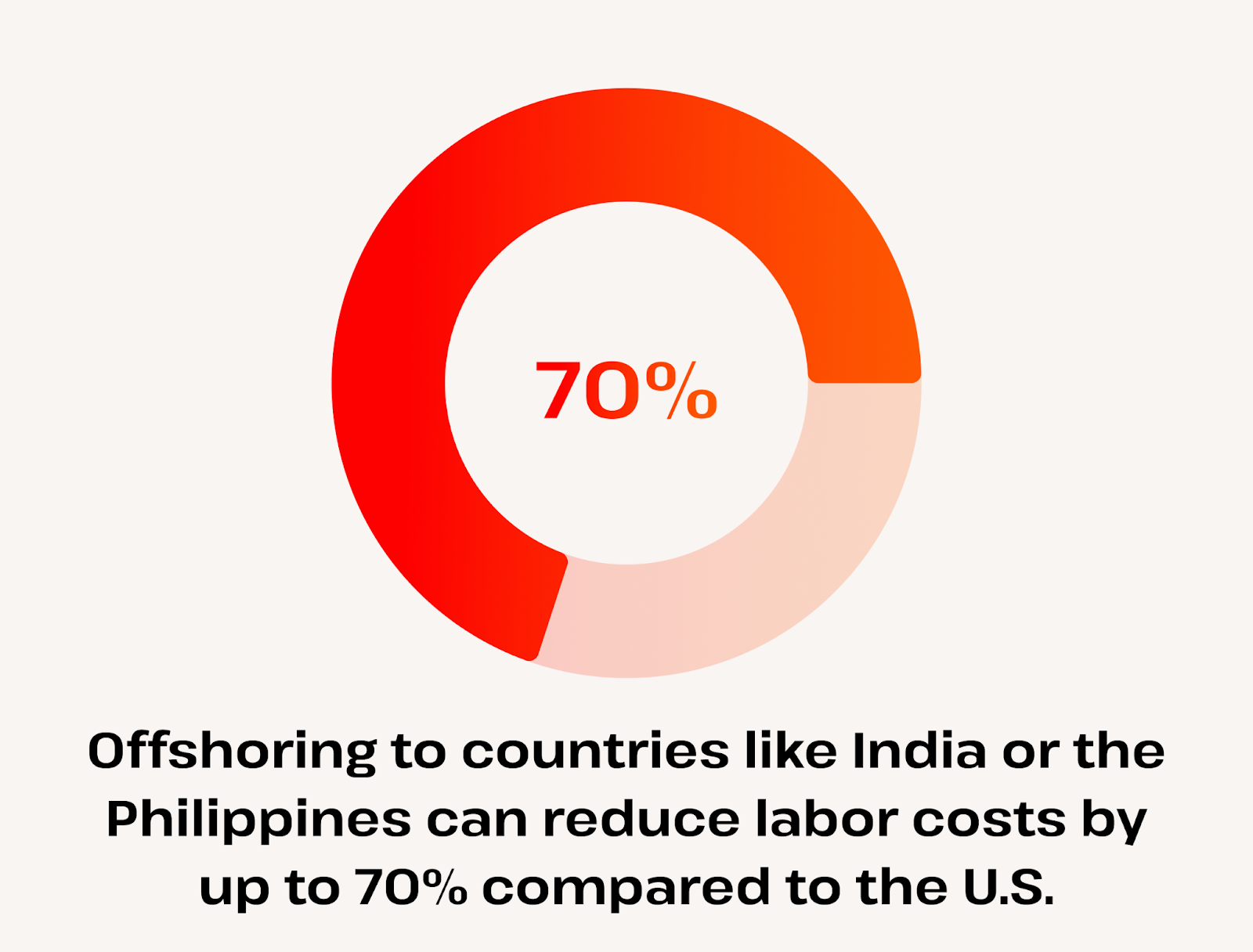
At its heart, offshoring to India is not about superior innovation or efficiency. It is about exploiting stark wage gaps and an oversupply of labor. Indian IT professionals typically earn 50 to 70% less than their U.S. or European counterparts, with hourly rates in Bangalore hovering at $15 to $30 compared to $50 to $80 in Silicon Valley or London. This arbitrage is amplified by Indian government incentives including tax breaks and special economic zones that subsidize IT exports, creating a self-reinforcing cycle where multinationals pour in investment to chase these savings.
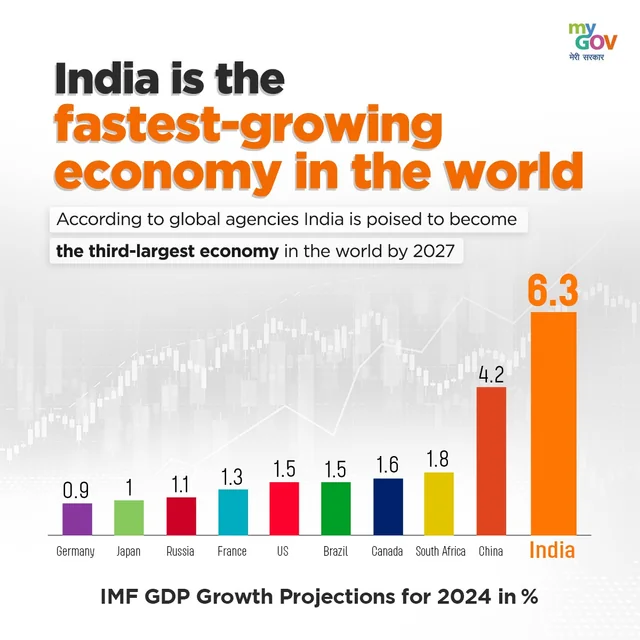
Demographics play a pivotal role. India produces 1.5 to 2.6 million STEM graduates each year, flooding the market and suppressing wages. Add in widespread English proficiency and convenient time zones for follow-the-sun operations, and the appeal becomes clear. Today, the IT-BPM sector in India generates $194 to $245 billion annually, with U.S. clients driving 57 to 62% of that revenue, and Global Capability Centers (GCCs) employing over 2 million people while growing at 18 to 27% yearly.
Yet this rush overlooks critical flaws. Executives chase quarterly bonuses tied to cost reductions of 40 to 70% on IT roles, while offshore managers prioritize personal gains such as kickbacks from dubious hires. This principal-agent problem, where distant oversight fails, mirrors broader rent-seeking behavior: Indian firms like TCS, Infosys, and Wipro lobby for visa expansions while exploiting loopholes in opaque contracts.
Backdoors, Spies, and Adversarial Exploitation
One of the most underappreciated risks is how offshoring opens doors for geopolitical adversaries. India's IT ecosystem faces 2,138 weekly cyberattacks per organization, the second-highest rate in Asia, with 83% of firms breached annually. Hack-for-hire operations like the Appin group, which targeted over 215,000 victims across 197 countries, demonstrate how easily data can be stolen or manipulated. For Western systems, this means critical technologies from banking software at Goldman Sachs to cloud infrastructure at AWS become vulnerable when offshored.
Russia and China exploit these weaknesses aggressively. Groups like APT36 deploy backdoors such as Crimson RAT into Indian networks, which can then pivot to NATO or EU assets through shared access. Coinbase suffered a major breach tied to its Indian operations, where insiders facilitated data leaks. Adversaries plant spies via bribes or phishing, leveraging India's proximity to hostile borders and data protection laws that fall well short of GDPR or CCPA standards.
This is not paranoia. It is a second-order effect where economic decisions create strategic leverage for adversaries, potentially escalating to full-scale cyberwar. The mainstream narrative dismisses these as isolated incidents, assuming geopolitical neutrality and seamless compliance transfer. But the evidence points the other way: 86% project failure rates compared to 50 to 70% globally, and settlements like Infosys's $34 million visa fraud fine and Ranbaxy's $500 million penalty for data falsification tell a different story.
Fake Degrees and the Illusion of Expertise
Beyond security, offshoring degrades system quality due to rampant credential fraud and genuine skill gaps. India produces high STEM graduation numbers, but by 2026 over 1 million fake degrees are estimated to be in circulation, including 36,000 from Manav Bharti University and 43,000 from Rajasthan institutions. This floods the offshore workforce with candidates who rely on rote memorization rather than real problem-solving, leading to compliance failures such as FDA warnings for falsified pharmaceutical data.
Attrition compounds the problem. GCCs see 20 to 27% annual turnover, far above the 4 to 6% typical in traditional IT, destroying knowledge continuity. Proxy interviews and fabricated resumes are common, rooted in a low-trust credentialing environment where connections routinely trump merit. The result is systems that work on paper but fail in practice, with downstream effects including product recalls, eroded consumer trust, and regulatory backlash.
The Hollowing of Western Innovation
Second-order effects are already visible. As entry-level jobs disappear offshore, over 300,000 U.S. IT roles sit unfilled and domestic STEM pipelines continue to shrink. Like 1980s Japanese auto offshoring that devastated U.S. manufacturing towns, this pattern creates tech rust belts in Western economies. Companies that offshore their junior engineering work lose the talent development pipeline that produces senior engineers a decade later.
In India, the fake degree epidemic fuels inequality and migration pressures. The growth of a credentialing black market signals a looming legitimacy crisis for the industry as a whole, analogous to the diploma mill crackdowns that eventually reshaped U.S. professional licensing in the early 20th century.
Three Possible Futures
Why Executives Keep Getting This Wrong
The underlying meta-question is why executives keep ignoring decades of documented failure patterns. The answer reveals corporate governance's persistent bias toward short-term cost metrics over long-term resilience. Quarterly bonus structures reward the cost reduction, not the breach that follows three years later. Consultancies like Gartner earn fees from offshoring deal promotions and have limited incentive to publish comprehensive failure data.
The evidence points to a stark conclusion: offshoring destroys more value than it creates through a combination of security breaches, quality collapses, and hollowed domestic innovation capacity. Companies that continue wholesale labor offshoring without confronting these structural risks are not saving money. They are borrowing against future crises.
Kai Tutor | The Societal News Team
Follow Us!
It helps decentralize our presence across the web and it's completely free!
Instagram ➤
Youtube ➤
Substack ➤
X.com ➤
Telegram ➤
TikTok ➤