The Azov Brigade - Ukraine's Controversial Elite Unit
Origins: Born from the 2014 Crisis
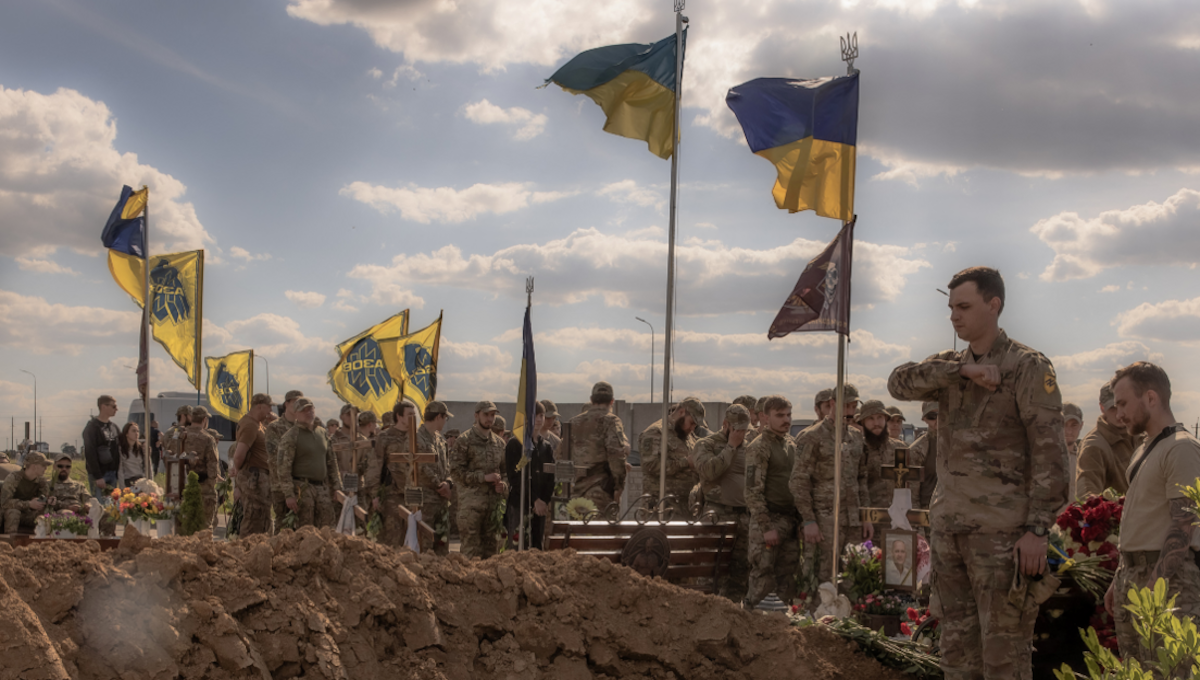
The Azov Brigade, known for its fierce combat performance and a key component of Ukraine's National Guard, has evolved from a volunteer militia into a professional military force amid the ongoing Russian invasion of Ukraine. The Azov Brigade traces its roots to the turbulent events of 2014, when Russia annexed Crimea and backed separatist forces in eastern Ukraine's Donbas region. Formed on May 5, 2014, as the Azov Battalion, it was initially a self-funded volunteer group led by Andriy Biletsky, a prominent far-right activist. Biletsky, who had ties to ultranationalist groups, assembled a mix of volunteers, including some with extremist views, to counter Russian-backed militants.
By November 2014, the battalion was integrated into Ukraine's National Guard under the Ministry of Internal Affairs, marking a shift toward professionalization. It expanded to a regiment in 2015 and was reorganized as the 12th Special Forces Brigade "Azov" in February 2023, as part of the Offensive Guard initiative. This evolution aimed to distance the unit from its informal beginnings, though its early associations with the Azov Movement, a network of far-right organizations, continued to draw criticism.
November 2014: Integrated into Ukraine's National Guard
2015: Expanded to regiment status
February 2023: Reorganized as 12th Special Forces Brigade "Azov"
2025: Formed 1st Azov Corps with 12,000-15,000 soldiers
2026: Active in Donbas; 1,000+ fighters still held as POWs in Russia
Early Battles: Mariupol 2014, Ilovaisk, Novoazovsk
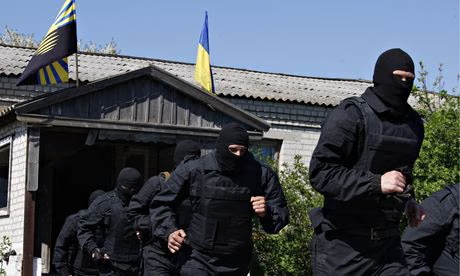
The Azov Brigade has been at the forefront of several pivotal engagements, earning a reputation for tenacity and tactical prowess. In its inaugural operations, Azov played a crucial role in liberating Mariupol from Russian-backed separatists in June 2014. The battalion's assault on the city, a strategic port on the Sea of Azov, helped secure Ukrainian control and boosted national morale. Subsequent battles in Ilovaisk and Novoazovsk solidified its status as an effective fighting force.
The Mariupol Siege 2022: 86 Days at Azovstal
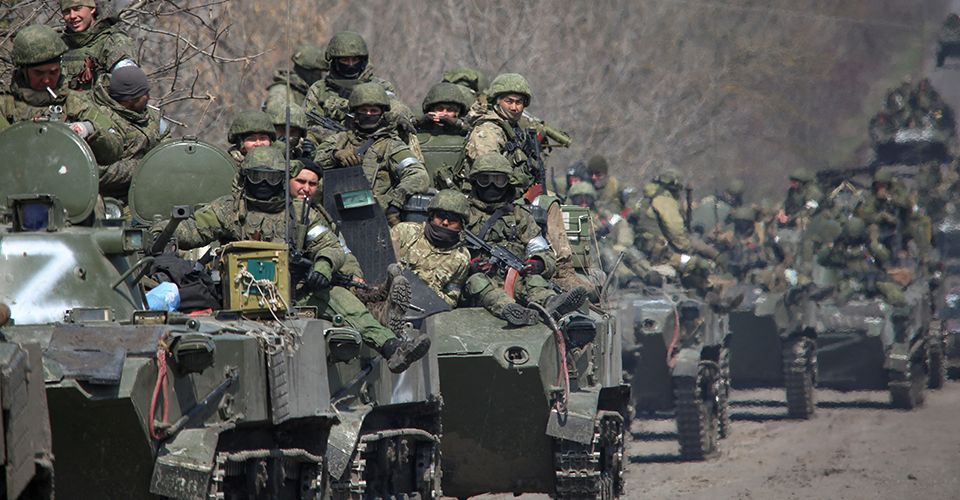
Azov's most iconic stand came during Russia's full-scale invasion in February 2022. The brigade defended Mariupol for 86 days, with fighters holding out in the Azovstal steel plant against overwhelming odds. This prolonged resistance tied down Russian forces, allowing Ukraine to regroup elsewhere. The siege ended on May 16, 2022, when Ukrainian defenders surrendered, many Azov members were captured and remain POWs in Russia. The battle elevated Azov to legendary status in Ukraine, symbolizing national defiance.
Bakhmut, Donbas, and the 2025 Breakthrough
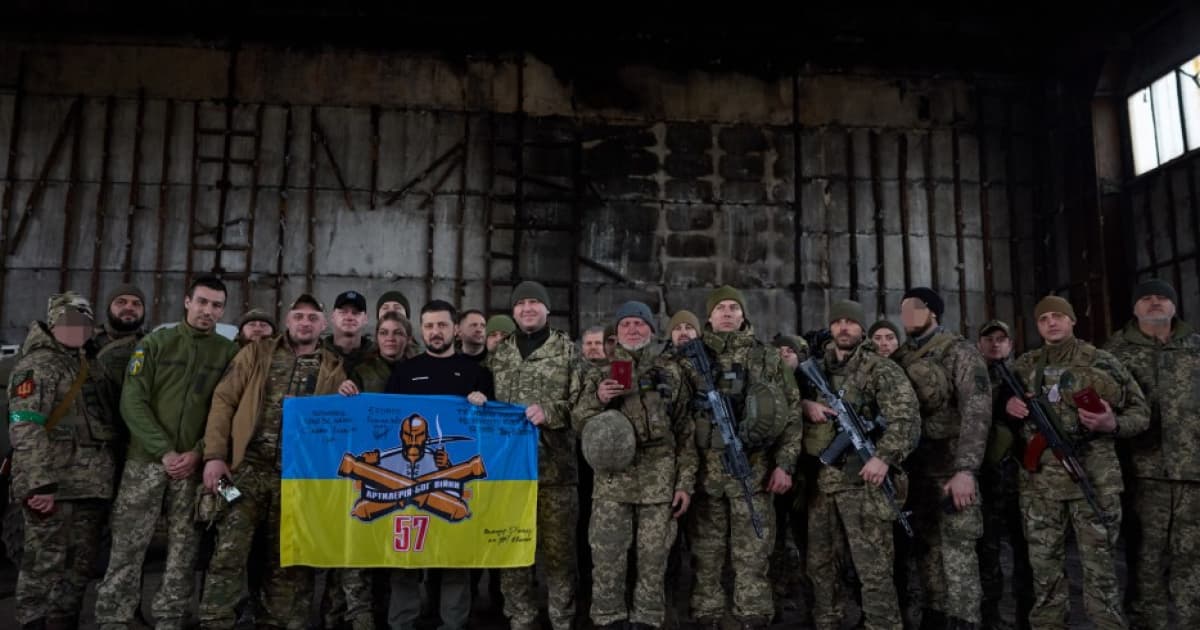
Post-Mariupol, Azov rebuilt and participated in counteroffensives. In Bakhmut, the brigade contributed to intense urban warfare, inflicting heavy Russian casualties estimated at 32,000-43,000 dead. By 2024, Azov was active in the Donbas, including defenses near Toretsk and Kostiantynivka. In August 2025, reports emerged of Azov encircling 800 Russian soldiers in a rapid 18-km breakthrough, capturing prisoners and disrupting enemy lines. The unit also supported operations in Sloviansk and Kramatorsk, using advanced drones and artillery.
The Controversy: Far-Right Origins and Allegations
Azov's history is overshadowed by its far-right origins. Founded by figures like Biletsky, who in 2010 advocated for a "crusade" against "Semite-led subhumans," the unit has been accused of neo-Nazi ideology. Symbols such as the Wolfsangel, reminiscent of Nazi insignia, fueled these claims. Russian propaganda amplified this narrative, with President Vladimir Putin citing "denazification" as a pretext for the 2022 invasion.
Human rights groups, including the UN, Amnesty International, and Human Rights Watch, reported early allegations of torture, looting, and abuses in 2014-2015. In 2026, Russian sources claimed Azov fighters were instructed to kill rather than capture Russian troops, though these remain unverified. Critics argue that while extremism may have diminished, remnants persist. However, supporters, including some Western analysts, note the brigade's depoliticization post-integration, emphasizing its commitment to Ukraine's constitution.
Reform and the US Weapons Ban Lifted
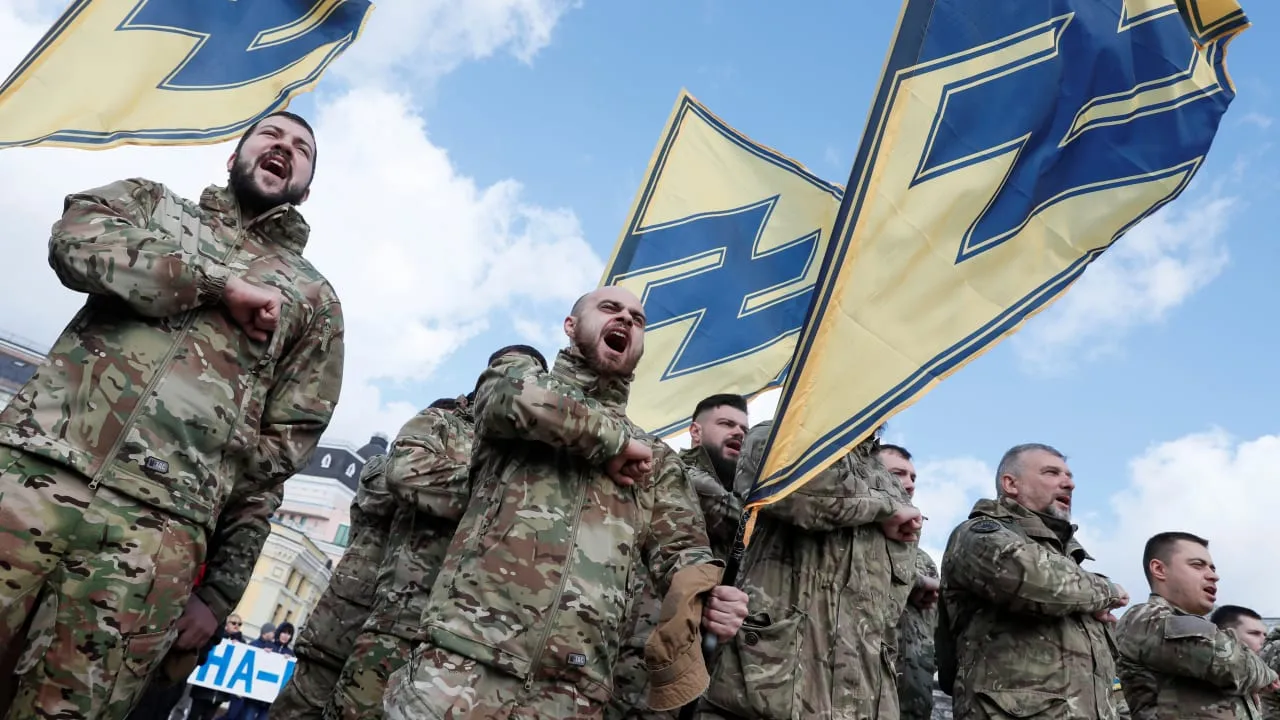
Since joining the National Guard, Azov has undergone reforms to professionalize and distance itself from extremism. Leaders deny current ties to far-right groups, and a 2024 U.S. State Department review found no evidence of human rights violations, lifting a decade-long ban on U.S. weapons and training. This decision, condemned by Russia as "flirting with neo-Nazis," reflected Azov's battlefield effectiveness.
By 2025, Azov expanded significantly, growing from 1,500 to 7,000 personnel and forming the 1st Azov Corps, a new army structure with 12,000-15,000 soldiers, heavy weapons, and support units. This corps, alongside the Third Army Corps led by Biletsky, bolsters Ukraine's eastern defenses.
Current Status: January 2026
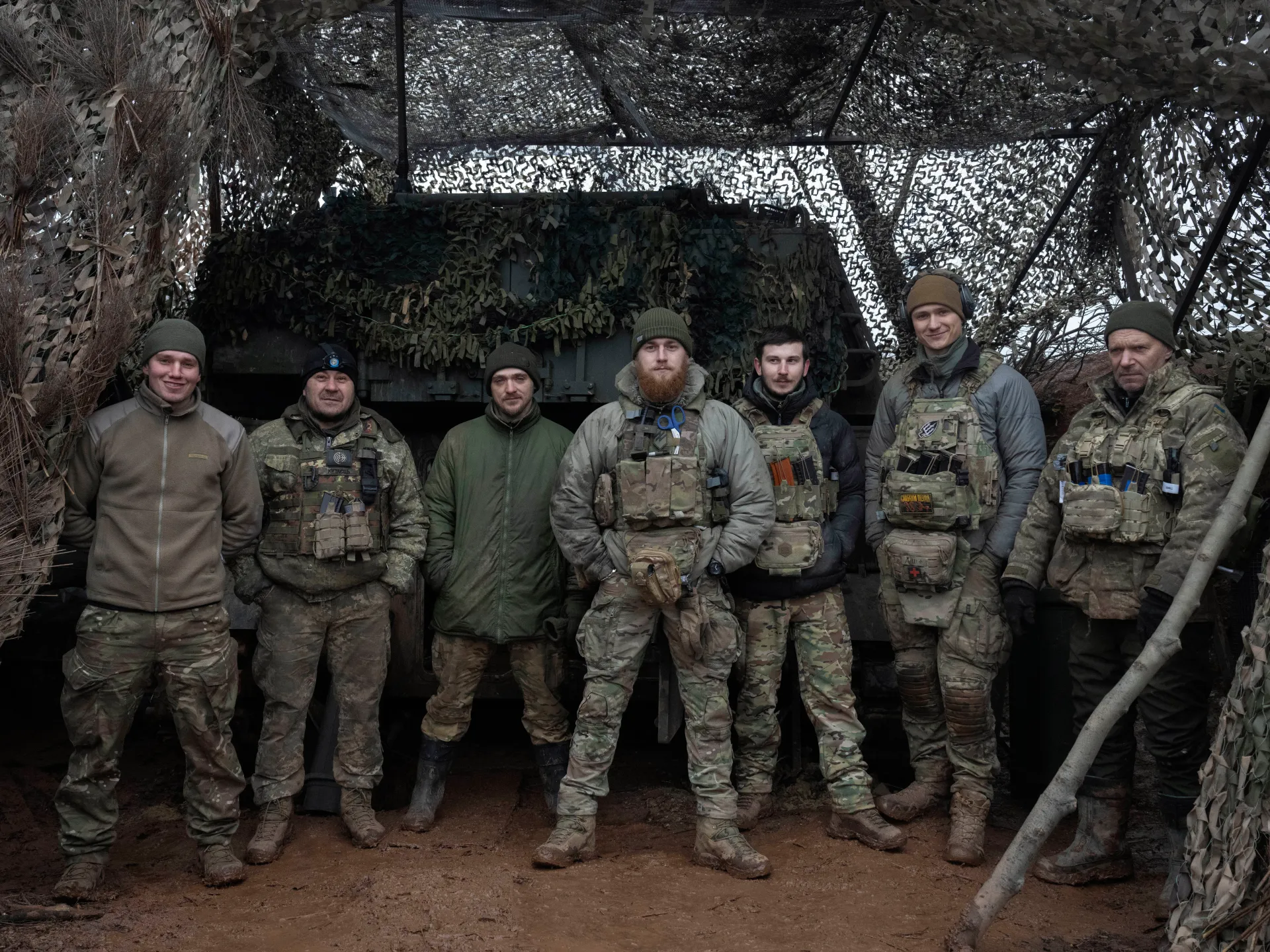
As of January 2026, Azov remains active in Donbas hotspots. Ukrainian advances near Kupyansk and Pokrovsk, including drone strikes on Russian facilities, highlight the brigade's role. Reports from the Sloviansk direction indicate stabilized fronts after Russian breakthroughs, with Azov disrupting enemy logistics. Surrenders of Azov units near Dimitrov were noted, but overall, the corps focuses on counterattacks using FPV drones and innovative tactics.
Amid manpower shortages, Azov recruits aggressively, emphasizing technology and training. The unit's prisoner exchanges remain a priority, with over 1,000 fighters still held by Russia.
Looking Ahead

Looking ahead, Azov could play a decisive role in any major Ukrainian offensive. Analysts predict breakthroughs toward the Sea of Azov, potentially splitting Russian forces and isolating Crimea. With its corps structure, Azov may lead assaults in volatile sectors like Toretsk, leveraging superior armor and drones.
However, ongoing controversies could strain international support. If reforms continue, Azov might fully shed its past stigma, becoming a model for Ukraine's military. Conversely, persistent allegations risk alienating allies. As the war evolves, Azov's adaptability will be key to Ukraine's long-term defense.
The Azov Brigade embodies the complexities of Ukraine's struggle: a unit born from necessity, forged in battle, and burdened by controversy. From its 2014 origins to its 2026 corps status, Azov has transitioned from a fringe militia to a cornerstone of national defense. While debates over its ideology persist, its contributions to Ukraine, and battles like Mariupol underscore its strategic importance. As Ukraine navigates future challenges, Azov's story reflects the broader themes of resilience and reform in the face of aggression.
Kai Tutor | The Societal News Team 31 JAN 2026
Follow Us!
It helps decentralize our presence across the web and it's completely free!
Instagram ➤
Youtube ➤
Substack ➤
X.com ➤
Telegram ➤
TikTok ➤