What You Need to Know About the Shahed Drone
How the World Finally Noticed
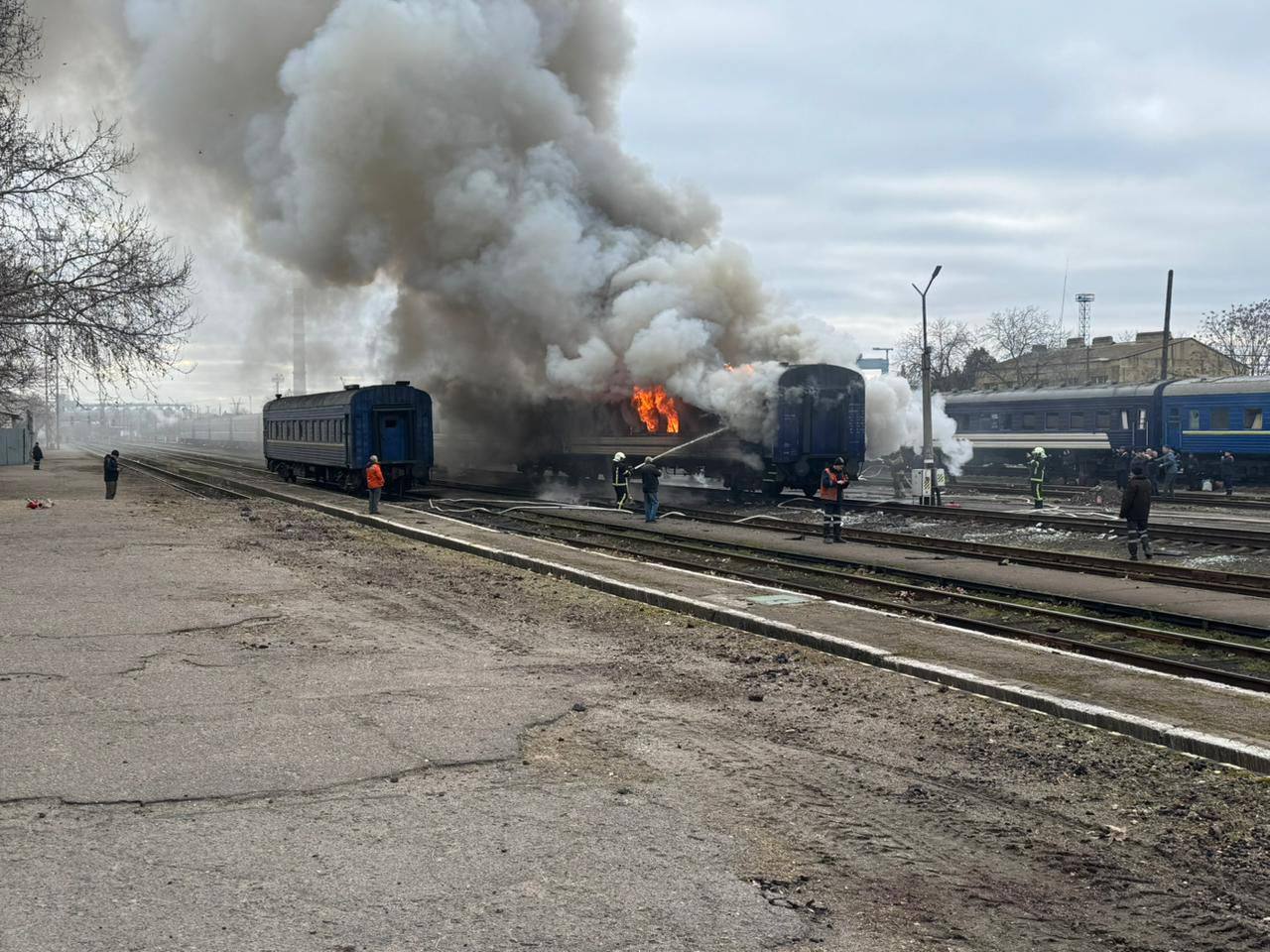
On February 28, 2026, the United States and Israel launched joint strikes on Iran. Within hours, Tehran responded with what millions of Ukrainians already know intimately: the low, buzzing wail of Shahed drones cutting through the night sky. More than 1,000 were launched in the opening days of Iran's retaliation, hitting hotels, residential buildings, and US and UK military bases across the Gulf.
Ukraine's presidential adviser on sanctions policy, Vladislav Vlasiuk, summed up the moment with grim candor: "Welcome to the club, guys." The rest of the world, including the United States military, is now scrambling to apply lessons that Ukraine has been learning at enormous human cost since 2022.
What Is the Shahed-136?
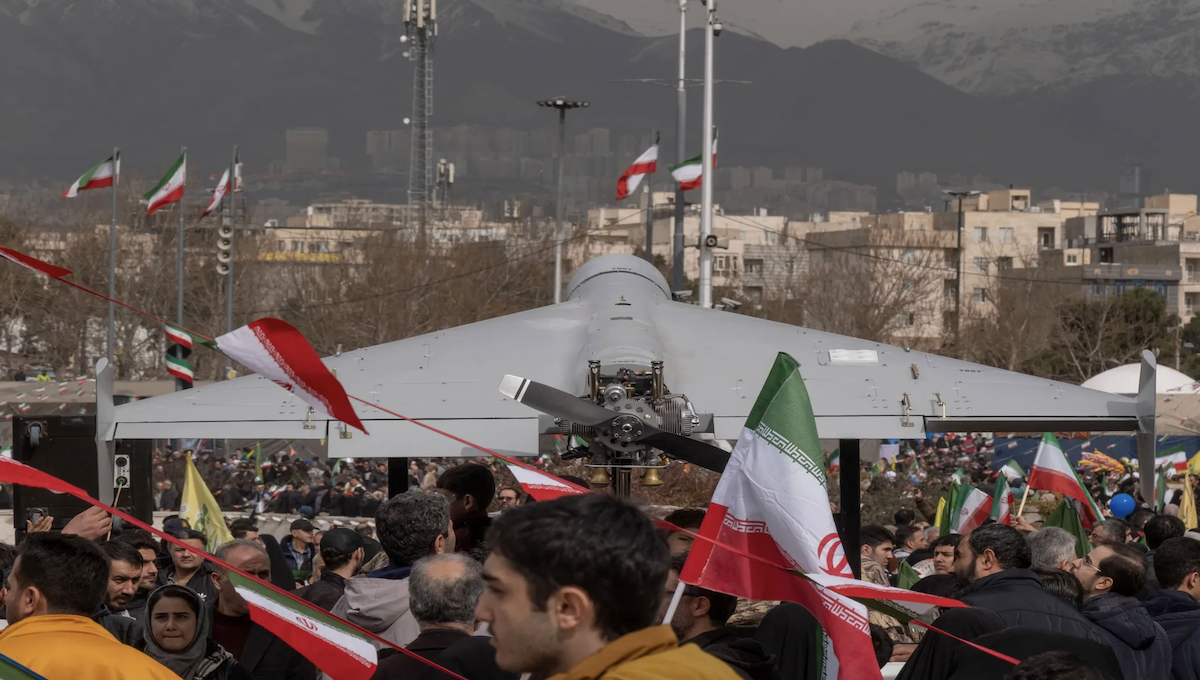
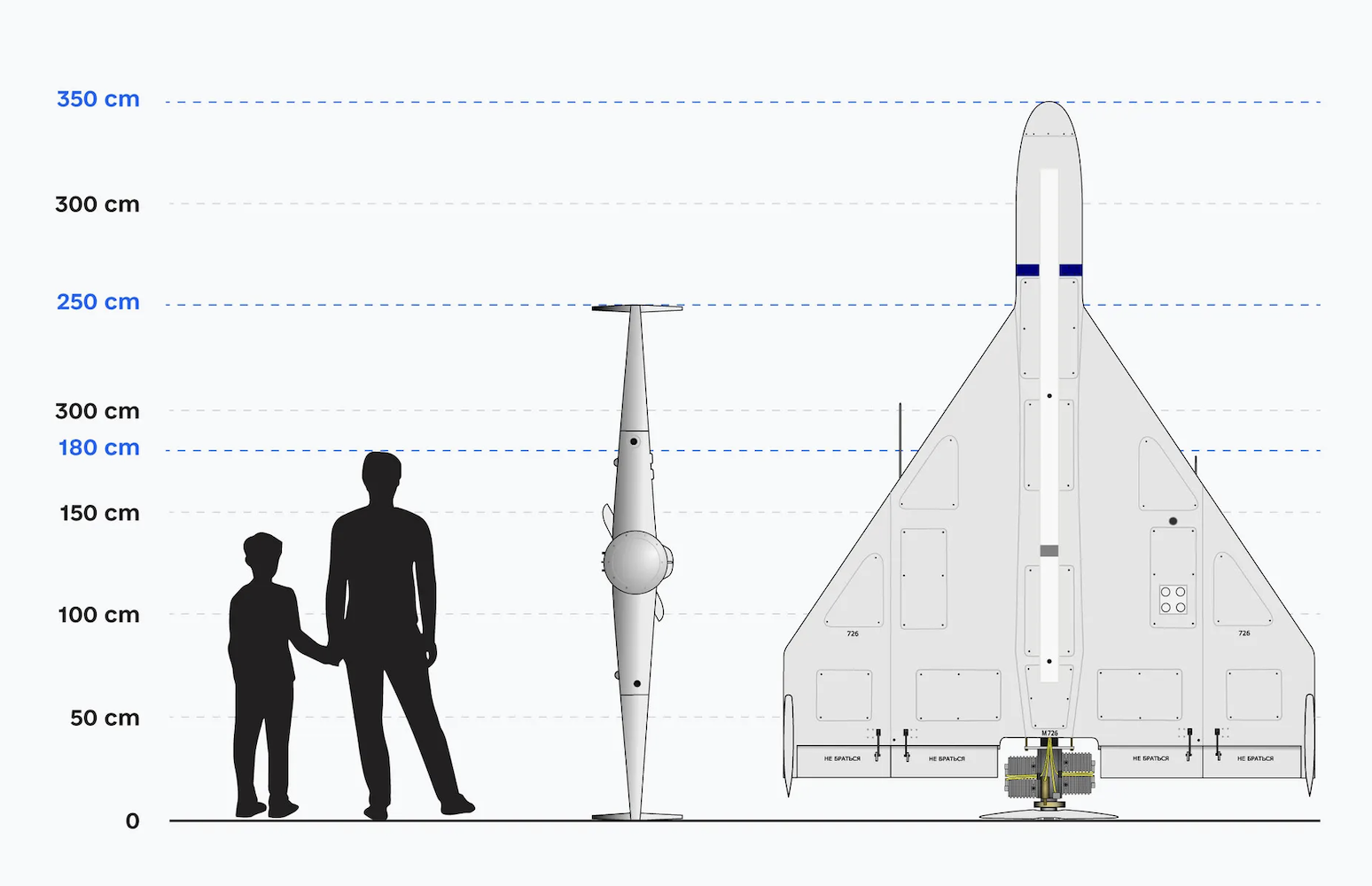
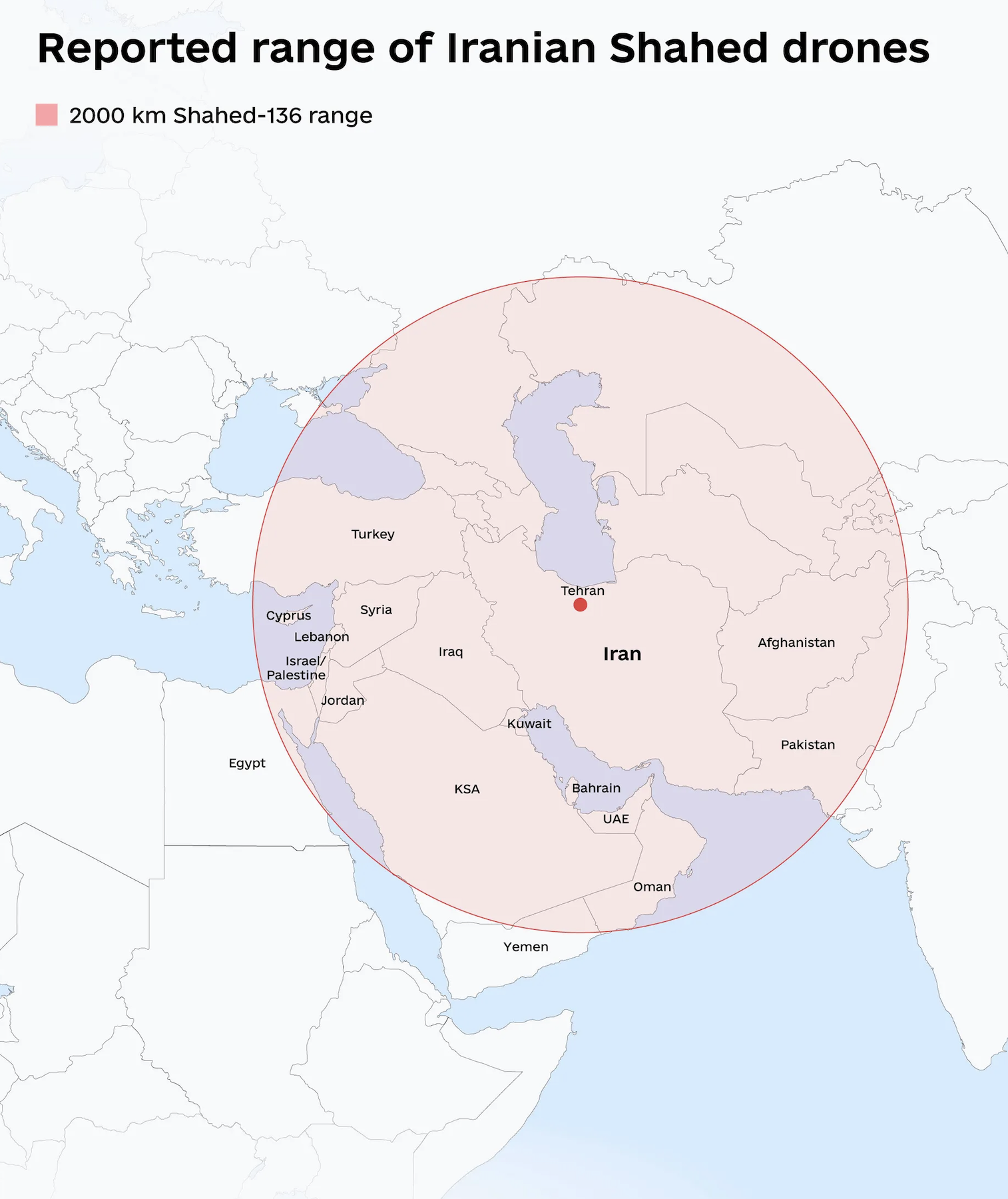
The Shahed-136 is an Iranian-designed loitering munition, a "kamikaze" drone that flies to a target and detonates on impact. Manufactured by Iran's Shahed Aviation Industries and state-owned HESA, it carries roughly 50 kilograms (110 lbs) of explosives and has a range of up to 2,000 kilometers. Russia began using them against Ukraine in fall 2022, rebranding them "Geran-2" after localizing production on Russian soil in 2023. Russia was producing around 170 per day as of early 2026.
Key characteristics that define the threat:
- Distinctive "moped-like" buzz — the sound rises sharply in pitch just before impact
- Flies low and slow to avoid radar detection
- Pre-programmed flight routes — not remotely piloted, has no real-time camera operator
- 50 kg warhead — enough to destroy entire floors of residential buildings
- Cost makes mass deployment economically viable for the attacker
Russia has evolved the weapon significantly since 2022: painting airframes black for nighttime operations, installing 4G modems with foreign SIM cards, adding LiDAR altitude sensors so drones fly as low as possible, equipping some with jet engines (the "Geran-3") for speeds of 550 to 600 km/h and a 2,500 km range, and deploying decoy drones called "Gerbera" and "Parodiya" fitted with radar-reflecting lenses to confuse and exhaust air defense systems.
Civilian Survival Guide: If You Encounter a Shahed
Ukraine's military and civil defense experts have developed practical guidance for civilians based on years of real attacks. As Shahed drones are now being used far beyond Ukraine, across the Middle East and potentially expanding further, this guidance has become globally relevant.
The Shahed produces a distinctive, loud engine hum often described as sounding like a moped or old motorcycle. In the final seconds before impact, the buzzing intensifies sharply, a sound Ukrainian civilians compare to the Stuka dive bombers of World War II. If you hear it getting louder very fast, take cover immediately.
If You Are Indoors
- Move away from windows and exterior walls immediately
- Get to a room with at least two solid walls between you and the outside — three is better
- Lower floors are preferable to upper floors in high-rise buildings
- A basement or underground shelter offers the best protection — get there if you can do so safely
- Do not risk running long distances in the open if the drone is already nearby
If You Are Outdoors
- Get inside the nearest building immediately and move to an interior room
- If no building is accessible, find a ground-level depression, ditch, or terrain feature offering low cover and lie flat
- Trees and bushes provide no meaningful protection from a blast wave
- If you are in a vehicle, stop and take shelter on foot — do not remain in the car, as flying debris can cause it to explode or catch fire
- Underground parking structures offer good protection if nearby
Turning off lights does not affect Shahed drones — they fly pre-programmed routes and cannot see you. However, FPV (first-person view) drones are a different and increasingly common threat: smaller, faster, and cheaper, piloted in real time with a live camera feed. Lights could matter with FPV drones. If you are in an active conflict zone and unsure which drone type is overhead, treat lights off as a precaution.
How Ukraine Shoots Them Down
When Russia first deployed Shaheds against Ukrainian cities in October 2022, Ukraine had almost no playbook for countering them. High-end air defense missiles like the Patriot PAC-3 cost hundreds of thousands of dollars each, vastly more than the $35,000 to $50,000 drone they were being used to intercept. Ukraine had to get creative.
Ukraine developed a layered defense system: Patriot batteries and F-16s handle high-priority targets, shoulder-fired missiles and anti-aircraft tanks guard critical infrastructure, mobile fire groups in pickup trucks with heavy machine guns patrol cities, and electronic warfare systems jam drone GPS signals to knock them off course. No single method works alone — the defense is additive.
Ukraine also began deploying autonomous interceptor targeting modules in 2025, like the TFL Anti-Shahed system, which uses a thermal camera to automatically lock onto Shahed-type targets and maintain tracking, allowing pilots to focus on the interception approach.
In June 2025, Government Resolution No. 699 allowed elderly citizens, veterans with medical discharges, women, and young people below draft age to take defense shifts operating interceptor drones. Within the first month, around 300 volunteers signed up: grandparents, injured veterans, and young Ukrainians unwilling to stand by as their neighborhoods were attacked.
Western Components Inside Russian Drones
Perhaps the most alarming finding from years of downed Shaheds and Gerans is what is inside them. Intercepted drones have been found loaded with components from the United States, Japan, Germany, and Switzerland, including Nvidia Jetson Orin supercomputers and Texas Instruments chips. Despite sweeping sanctions, Western components continued flowing to Russian and Iranian drone programs through intermediaries, including companies based in the UAE.
Ukraine has been raising the alarm about this for years. "We've been battling for years to prevent these items from getting to Russia," Vlasiuk said. "And now I think that there must be much more actions taken by much more countries." With Shaheds now striking Gulf states and US military bases, the political will to finally enforce export controls may have finally arrived.
The World Is Finally Paying Attention
In a closed-door congressional briefing in early March 2026, US Defense Secretary Pete Hegseth and the Chairman of the Joint Chiefs acknowledged that Iran's Shahed drones had been a bigger problem than anticipated. Military analyst Dara Massicot, writing for the Carnegie Endowment for International Peace, noted that despite four years of Russia's extensive and damaging use of these drones against Ukraine, the low-cost defensive solutions Ukraine developed had not been replicated by Gulf nations or US forces in the region.
The United States has now formally requested Ukraine's help. President Zelensky confirmed he has spoken with leaders of the UAE, Qatar, Bahrain, Jordan, and Kuwait about deploying Ukrainian drone defense expertise in the region. Ukraine has offered to send systems and specialists on-site.
The Shahed drone has traveled from Iran to Russia to Ukraine, and now back across the Middle East, hitting Dubai hotels, Bahraini infrastructure, and American military bases. Every stop along the way was preceded by Ukrainian warnings that went largely unheeded. What Ukraine learned is that these weapons are not unstoppable. They are low, slow, and loud. They can be detected, jammed, and intercepted cheaply. But building the systems to do so requires investment, urgency, and taking the threat seriously before the first drone hits a hotel lobby. The world has now had that moment. The question is what it does next.
I believe all countries that wish to remain sovereign need to invest heavily in offensive and defensive drone capabilities.
Kai Tutor | The Societal News Team
Follow Us!
It helps decentralize our presence across the web and it's completely free!
Instagram ➤
Youtube ➤
Substack ➤
X.com ➤
Telegram ➤
TikTok ➤