Russia's Proposed Deal with the US to End the War in Ukraine
A $12–14 Trillion Economic Gambit
As the Russian invasion of Ukraine enters its fifth year in 2026, with no end in sight despite ongoing US-brokered negotiations, Russia has extended a bold economic proposition to the United States. Valued at a staggering $12–14 trillion over the long term, these proposals aim to entice American companies with preferential access to Russia's vast resources, joint ventures, and market reopenings — all contingent on a peace settlement in Ukraine and the lifting of Western sanctions.
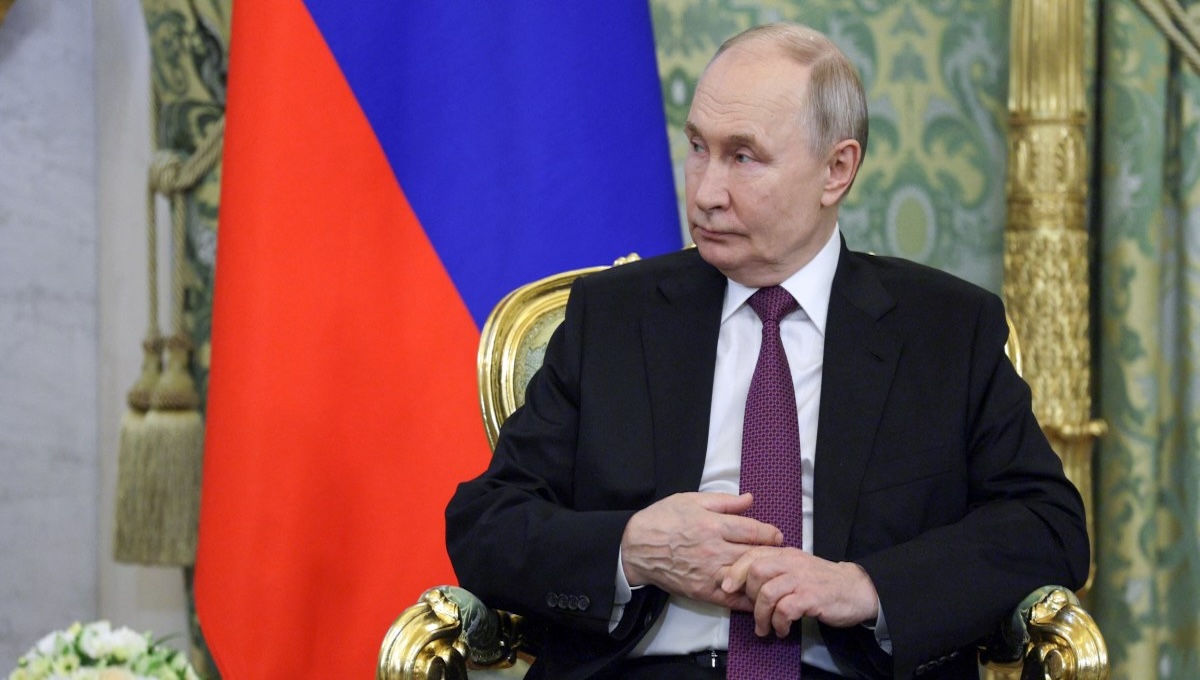
This "business not war" approach, as dubbed in some reports, represents a strategic pivot by President Vladimir Putin to leverage Russia's economic potential amid battlefield stalemates and domestic pressures. The deals raise profound questions about Ukraine's future, potentially sacrificing its territorial integrity, sovereignty, and economic independence for geopolitical expediency. Russia's proposals, outlined in internal Kremlin memos and public statements, form a comprehensive economic pact designed to restore pre-war ties while expanding US influence in key sectors.
Key sectors: energy (oil, LNG, Arctic), rare earths, aluminum, nuclear, AI
Rare earth/critical mineral investment potential: up to $15 billion
Aluminum offer: up to 2 million tons annually to the US market
Frozen assets proposed for reconstruction: ~$300 billion (mostly held in Europe)
Initial allocation to "Board of Peace" / Ukrainian rebuilding: ~$1 billion
Pitched by: envoy Kirill Dmitriev as "commercial guarantors of peace"
Energy: The Cornerstone of the Offer
Central to the package is the restarting of energy cooperation — a cornerstone of Russia's economy. Putin has offered American firms priority access to oil and liquefied natural gas (LNG) projects, including offshore and Arctic developments. This includes recovering prior US investments frozen by sanctions and resuming dollar-based settlements for energy trades, which could reinforce the US dollar's global dominance.
One notable example is a recent agreement between Gentry Beach, a Texas-based investor linked to the Trump family, and a major Russian energy firm for Alaskan natural gas development — hinting at thawing relations despite ongoing restrictions. Additional incentives include partnerships in nuclear energy and AI-driven projects, broadening the appeal beyond traditional fossil fuel interests.
Critical Minerals and Occupied Ukrainian Territory
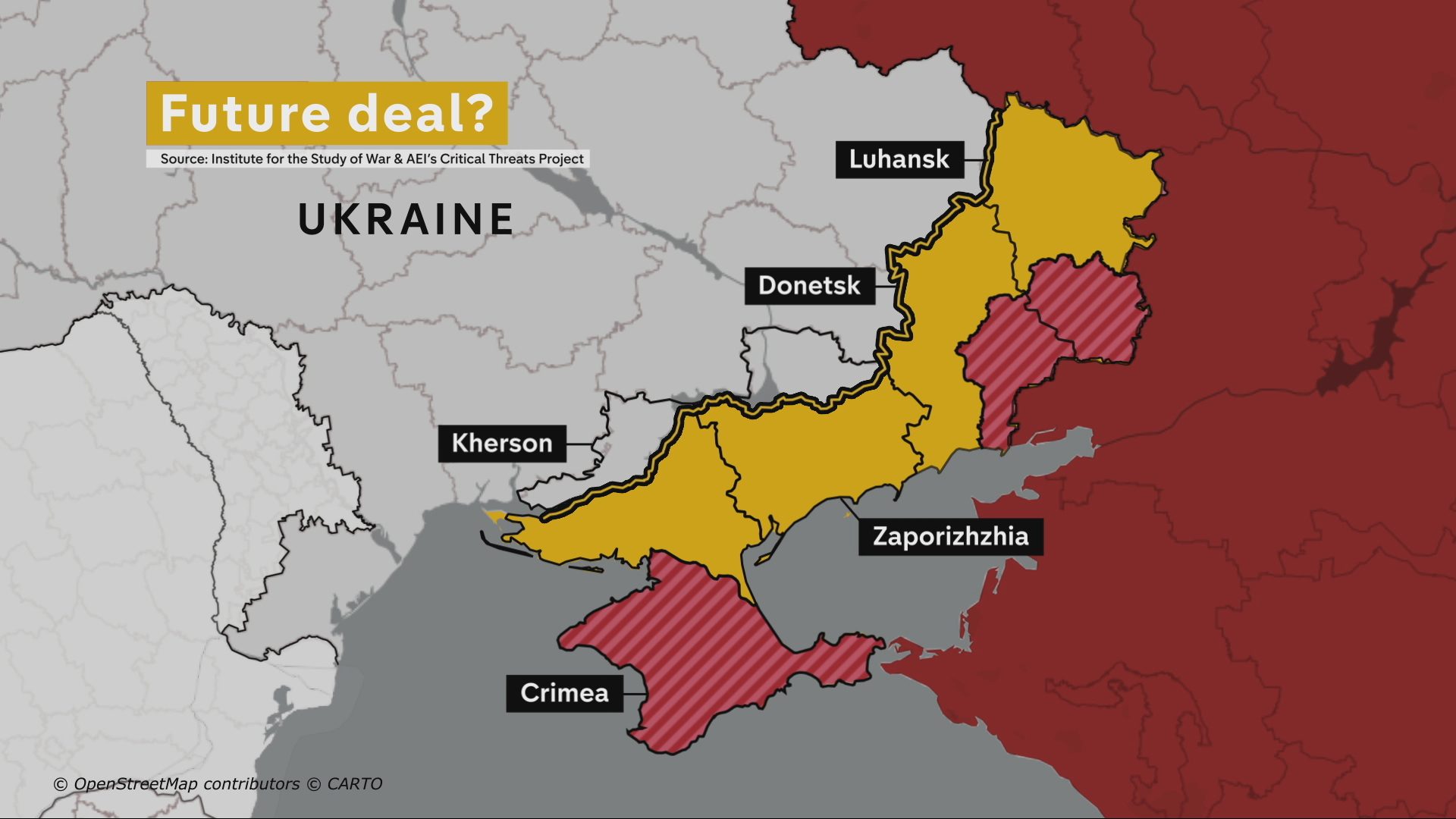
Beyond energy, Russia is offering access to critical minerals and raw materials. Proposals include joint exploration of rare earth deposits, lithium, copper, nickel, platinum, and other resources essential for electronics, renewables, and defense industries — potentially worth up to $15 billion in US investments. Strikingly, this extends to occupied Ukrainian territories, such as mineral-rich areas in Donbas and Zaporizhzhia, where Russia controls significant reserves — effectively offering Washington a commercial stake in land seized by military force.
Aluminum supplies are another key element: Russian firms could deliver up to 2 million tons annually to the US market upon reopening. Moscow has also hinted at curbing military-tech ties with China in exchange for favorable terms, positioning the deal as a broader geopolitical realignment rather than simply a business transaction.
Reconstruction and Frozen Assets
Additional incentives involve broader reconstruction efforts. Russia suggests using approximately $300 billion in frozen assets — mostly held in Europe — to fund investments in Ukraine and Russia, with US companies leading the charge. Putin has floated committing US frozen Russian assets to the "Board of Peace" and Ukrainian rebuilding, potentially allocating $1 billion initially. These offers, pitched by envoys like Kirill Dmitriev, aim to create "commercial guarantors of peace" with US firms gaining exclusive rights in mining, energy, and infrastructure.
The Appeal for US Business
For US businesses, the proposals are intriguing. Sanctions have barred American firms from Russia's lucrative markets since 2022, but many — over 2,300 Western companies — never fully exited, generating $20 billion in Russian tax revenue last year. Reopening could unlock trillions in deals, bolstering US energy security, reducing reliance on Chinese rare earths, and creating jobs through joint ventures. The Trump administration's economic priorities align with this, as evidenced by discreet talks involving sanctioned Russians and potential conflicts of interest for figures like envoy Steve Witkoff.
Russian tax revenue from remaining Western firms (last year): $20 billion
Potential unlock: trillions in energy, minerals, and infrastructure contracts
Strategic benefit: reduces US reliance on Chinese rare earth supply chains
Dollar benefit: resuming dollar-denominated energy settlements reinforces USD dominance
Russia's economy: running deficits and high inflation but held up better than expected under sanctions
What Ukraine Stands to Lose
If the US accepts, Ukraine stands to lose the most. Territorial concessions could amount to 20% of its land — including Crimea, the full Donbas (even currently unoccupied parts), and frozen lines in Kherson and Zaporizhzhia. This would strip Ukraine of an estimated $12.4 trillion in natural resources, crippling its economy and leaving it landlocked or port-deprived. Reconstruction, estimated at $800 billion, would rely on US-led investments using frozen Russian assets — but with American firms prioritizing profits, Ukraine risks becoming economically dependent rather than genuinely rebuilt.
On security, the US 28-point plan caps Ukraine's military, blocks NATO membership indefinitely, and offers vague guarantees without US troops — leaving it vulnerable to future Russian incursions. In occupied areas, reports of cultural erasure, child abductions, and killings evoke genocide warnings, as flagged by analysts referencing Russian ideological writings on "de-Ukrainization." Public sentiment in Ukraine overwhelmingly rejects Kremlin terms, with only 17% of Ukrainians supportive. President Zelenskyy has decried the talks as sidelining Ukraine's interests, potentially forcing capitulation under US pressure.
Natural resource value in occupied territories: ~$12.4 trillion
Reconstruction cost estimate: $800 billion
Security guarantee: vague, no US troops, NATO membership blocked indefinitely
Ukrainian public support for Kremlin terms: only 17%
Russia's ongoing tactic: destroying power grids to make Ukraine "unlivable" and break morale
European and Global Alarm
Europe views the proposals with alarm, fearing a US-Russia bilateral deal sidelines them, restarts Russian energy flows, and accelerates de-industrialization. EU nations have stepped up aid to "Trump-proof" Ukraine, including €90 billion in loans and deeper defense integration. Globally, rewarding Russian aggression could embolden China and undermine the efficacy of the entire sanctions framework — which has already failed to collapse Russia's economy despite inflicting real pain. Russia's maximalist stance, demanding full territorial recognition, signals that the negotiations are primarily a wedge to divide the West rather than a genuine peace offer.
Is a Deal Feasible?
Analysts assess the deal's feasibility as low. Past talks — including the Istanbul negotiations in 2022 — collapsed over similar core issues, and current draft proposals are vague, creating loopholes for manipulation. Ethically, accepting the deal risks normalizing invasion, abandoning Ukrainian communities to Russian governance, and entrenching a fragile peace that simply postpones the next conflict. For Ukraine, analysts describe it as a "strategic trap": short-term relief at the cost of long-term vulnerability.
Russia's offers are rational leverage, exploiting sanctions fatigue and US economic interests — but they mask Putin's unyielding goal of consolidating territorial control over Ukraine. A deal could pause hostilities but enable Russia to rebuild militarily for future aggression, turning peace into a temporary pause rather than a resolution. A true settlement requires addressing root causes without rewarding aggression and building genuine deterrence against future attacks.
Kai Tutor | The Societal News Team 27 FEB 2026
Follow Us!
It helps decentralize our presence across the web and it's completely free!
Instagram ➤
Youtube ➤
Substack ➤
X.com ➤
Telegram ➤
TikTok ➤