U.S. Eases Russian Oil Sanctions as Hormuz Crisis Rocks Global Energy Markets
Washington's Most Significant Sanctions Concession Since 2022
In a striking reversal of its sanctions posture, the United States has issued a 30-day license allowing countries around the world to purchase Russian crude oil currently stranded at sea. The move, announced by the Treasury Department on March 12, is Washington's most significant concession on Russia sanctions since the war in Ukraine began — and it was driven not by any softening toward Moscow, but by a full-blown global energy crisis triggered by the closure of the Strait of Hormuz.
The license, issued by the U.S. Office of Foreign Assets Control (OFAC) and valid through April 11, authorizes the delivery and sale of Russian-origin crude oil and petroleum products already loaded on vessels as of March 12. It is the second such measure in less than two weeks, following a narrower waiver on March 5 that allowed India specifically to purchase Russian crude already at sea. The broader license extends that permission to any buyer, anywhere.
Valid through: April 11, 2026 (30 days)
Scope: Russian-origin crude oil and petroleum products already loaded on vessels as of March 12
Who can buy: any country, any buyer
Previous waiver: March 5, 2026 — India only, narrower scope
Treasury Secretary Bessent described it as "narrowly tailored" applying "only to oil already in transit"
What Closed the Strait of Hormuz
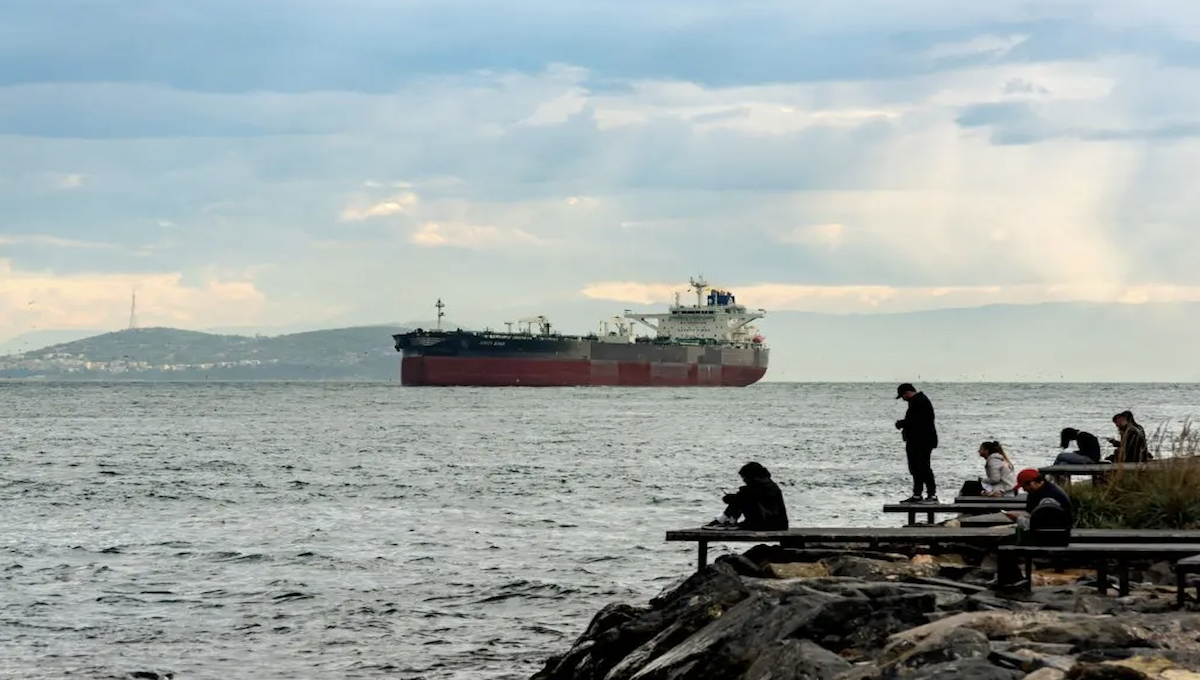
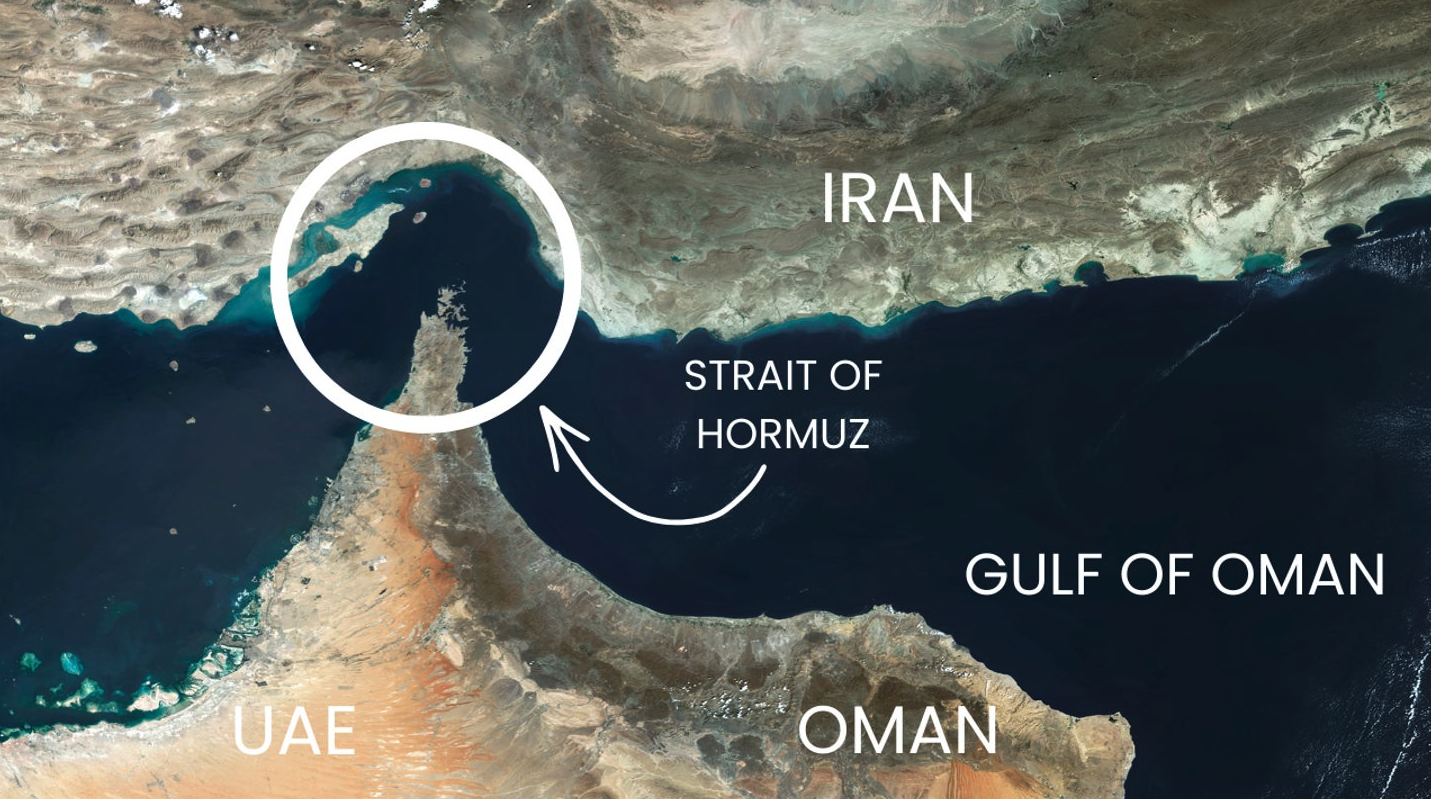
The Strait of Hormuz — just 21 miles wide at its narrowest point, between Iran and Oman — carries roughly 20% of the world's daily oil supply and a similar share of global LNG. On February 28, 2026, the United States and Israel launched joint military strikes on Iran. Iran's response was swift: its Islamic Revolutionary Guard Corps declared the strait closed and warned that any vessel attempting to pass would be set "ablaze." At least five tankers were damaged, two personnel killed, and around 150 ships left stranded outside the strait. Major shipping companies suspended transits entirely and began rerouting around Africa's Cape of Good Hope. The disruption has been described as the largest shock to global energy supply since the oil crises of the 1970s.
The Oil Price Shock
Before the strikes, Brent crude was trading just above $70 per barrel. It surged past $100 almost overnight and at points neared $120. Goldman Sachs raised their U.S. recession probability by 5 percentage points to 25%, trimmed their GDP growth forecast, and lifted their inflation projection. Oxford Economics modeled sustained $140 per-barrel oil as a "breaking point" that would push the eurozone, UK, and Japan into contraction and create an economic standstill in the United States.
Beyond oil, roughly one third of global fertilizer trade transits the strait, threatening food prices worldwide, while LNG markets face potentially longer-lasting disruption given Qatar's production halt. The cascading effects across energy, food, and manufacturing supply chains have made this crisis structurally different from previous oil shocks.
Brent crude peak after closure: neared $120/barrel
Goldman Sachs US recession probability: raised +5 points to 25%
Oxford Economics "breaking point": $140/barrel → eurozone, UK, Japan into contraction
Additional impacts: ~⅓ of global fertilizer trade transits Hormuz; Qatar LNG production halted
IEA strategic reserve release (Mar 11): 400 million barrels from 32 member nations
US Strategic Petroleum Reserve tapped: 172 million barrels
US daily consumption: ~20 million barrels/day; world: ~102–106 million barrels/day
Russia Emerges as a Financial Winner
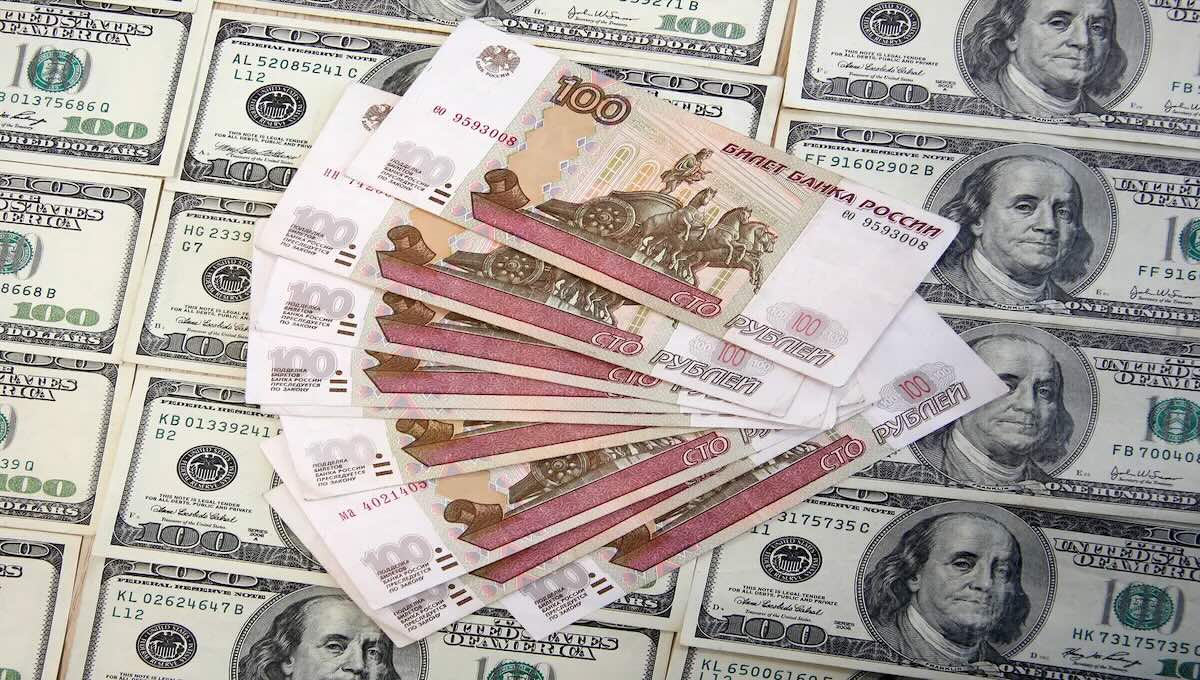
The crisis has produced an uncomfortable paradox: Russia — the primary target of the West's sanctions architecture — is emerging as a financial winner. The Center for Research on Energy and Clean Air found that Russian oil revenues surged by an additional $6.9 billion in just the first two weeks of the conflict, as buyers scrambled for alternative supply. Critics in Congress estimated the combined waivers could allow as many as 145 million barrels of previously blocked Russian oil back into global circulation — a significant revenue windfall for Moscow.
Adding to the tension, reporting emerged that Russia had been sharing intelligence on U.S. military asset locations with Iran, prompting bipartisan lawmakers to demand a hearing with Bessent and question whether that intelligence-sharing factored into the waiver decision at all. The announcement also followed a phone call between President Trump and Vladimir Putin, the contents of which have not been fully disclosed, fueling further scrutiny of the administration's overall posture toward Moscow.
Barrels of previously blocked Russian oil potentially re-entering markets: up to 145 million
Russia-Iran intelligence sharing: reported; Russia allegedly sharing US military asset locations with Iran
Bipartisan response: lawmakers demanded a hearing with Treasury Secretary Bessent
Ukraine's Reaction
For Ukraine, watching its most powerful backer loosen pressure on Moscow as the war enters its fifth year has been a gut punch. President Zelenskyy warned on March 10 that the move would be "a serious blow" to Ukraine and "a reputational blow" for the world. "How can sanctions be lifted from Russia if it is an aggressor?" he asked. U.S. officials have pushed back firmly. Energy Secretary Chris Wright told Fox News on March 8 that Washington has no plans to abandon its broader Russia sanctions policy. "We just made a pragmatic decision," he said. "Russia's oil remains sanctioned. There's no change in policy towards Russia."
What Happens Next
The license expires April 11. Whether Washington renews or expands it will depend largely on whether the Strait of Hormuz reopens. Some analysts predict partial reopening within weeks; others warn that if prices remain elevated, the political pressure to go further — including lifting sanctions on new Russian shipments, not just those already at sea — will only grow.
What the past two weeks have made clear is that the global sanctions architecture against Russia was built for a specific strategic context — one that the Iran war has now severely complicated. Washington has chosen to prioritize energy market stability. But that choice has real costs: to the credibility of Western sanctions, to the consistency of U.S. foreign policy, and most concretely, to Ukraine's ability to keep fighting a war that Russian oil money helps fund.
Kai Tutor | The Societal News Team 13 MAR 2026
Follow Us!
It helps decentralize our presence across the web and it's completely free!
Instagram ➤
Youtube ➤
Substack ➤
X.com ➤
Telegram ➤
TikTok ➤