How Slavery Fuels Technology and the Modern World
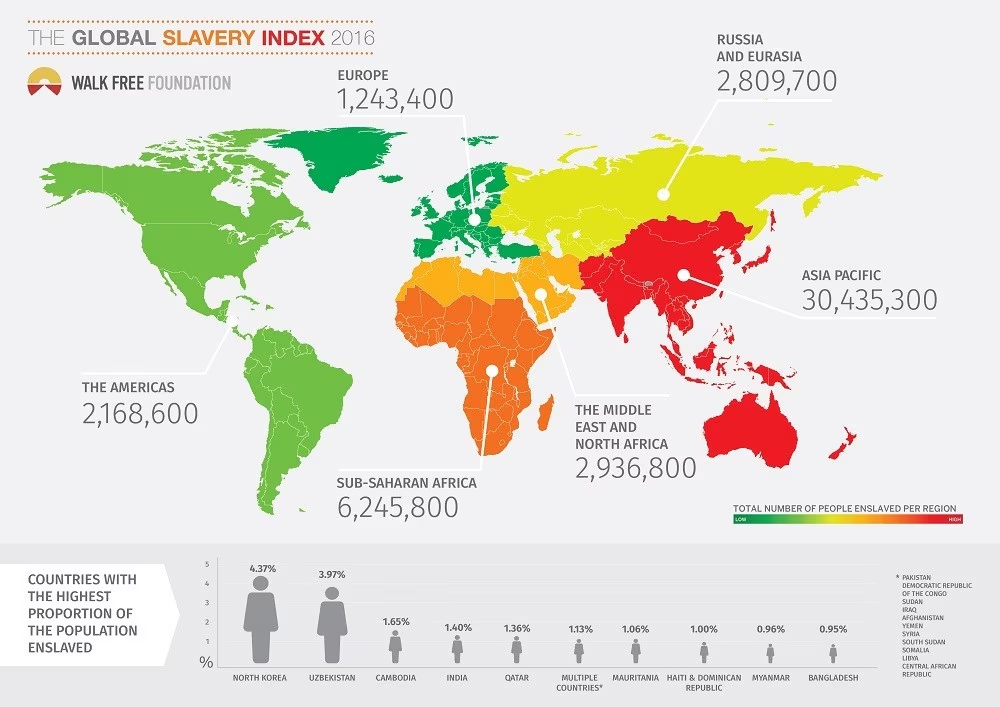
The Scale of the Problem: 50 Million People, $236 Billion in Illegal Profits
In an era defined by rapid technological advancement, the technology we rely on, smartphones, laptops, electric vehicles, and renewable energy systems, promises a brighter, more sustainable future. Yet beneath the surface of progress lies a dark reality: modern slavery permeates the supply chains that power these innovations.
According to the latest estimates from the International Labour Organization, nearly 50 million people worldwide were trapped in modern slavery as of 2021, with 28 million in forced labor, a figure that has risen by 25 percent over the past decade due to increasingly complex global supply chains. Modern slavery encompasses forced labor, debt bondage, human trafficking, and other forms of exploitation where individuals are coerced into work without consent or fair compensation.
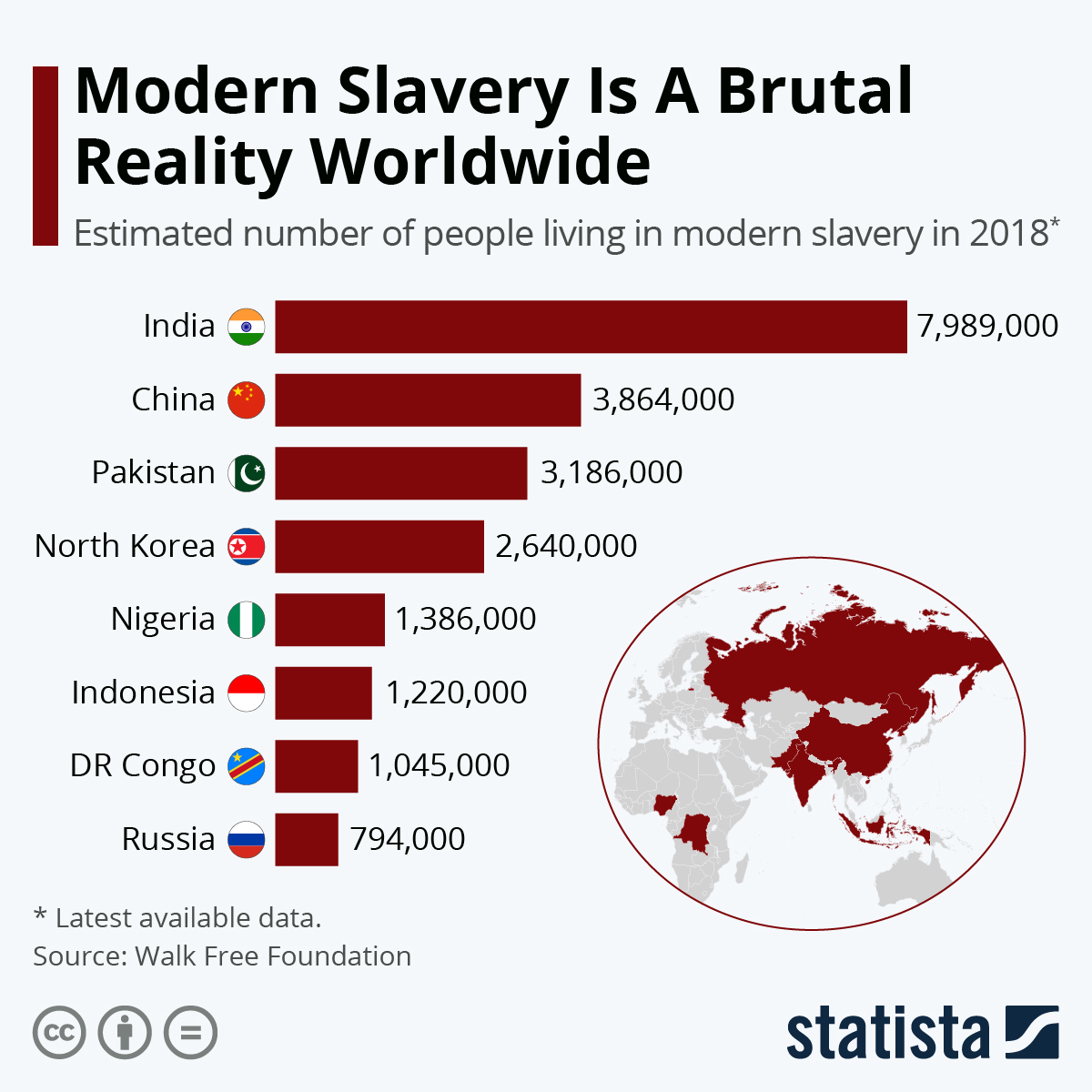
A critical analysis of the data shows that slavery thrives where oversight is weak and profits are high. The World Economic Forum's 2026 report on ending forced labor emphasizes that systemic incentives, like low labor costs and lax regulations, perpetuate the issue across borders. Vulnerable groups including migrants, women, and children bear the brunt, with over 12 million children in modern slavery and migrants three times more likely to be exploited.
Cobalt Mining in the DRC: The Human Cost of Electric Vehicles
Cobalt mining in the Democratic Republic of Congo exemplifies how slavery underpins tech. The DRC supplies about 70 percent of the world's cobalt, with artisanal and small-scale mining accounting for 15 to 30 percent of production.
While demand for electric vehicles surges, projected to require 30 times more cobalt by 2030, the human cost is externalized. Reports from 2026, like the US Department of Labor's GALAB project, aim to combat this, but enforcement lags, allowing tainted cobalt to enter global markets. This is not mere oversight: it is a profit-driven choice where cheap minerals enable affordable tech but perpetuate poverty and environmental degradation in the DRC.
Uyghur Forced Labor and the Solar Panel Paradox
Renewable energy, claimed to be a climate solution, is equally tainted. Xinjiang in China produces 35 percent of the world's solar-grade polysilicon, a key solar panel ingredient. Since 2017, Uyghur Muslims and other minorities have faced mass detention and forced labor in re-education camps, with state-mandated transfers to factories.
This reveals a paradox: green tech accelerates climate goals but at the expense of human rights. Corporate lobbying against the Uyghur Forced Labor Prevention Act and weak EU regulations highlight how economic ties to China prioritize profits over ethics.
How Slavery Runs Technology: The Wider Pattern
These cases illustrate how slavery runs technology: cobalt powers consumer electronics and electric vehicles, while polysilicon enables solar grids. The modern world, reliant on interconnected devices and clean energy, indirectly sustains exploitation. A 2026 Reuters report notes slavery's 25 percent rise, linked to tech-driven supply chains.
Western firms often deny involvement, citing audits, but opacity in multi-tier chains allows plausible deniability. Governments like the US and Canada have updated modern slavery laws, but enforcement is inconsistent. Economically, slavery undercuts fair labor markets while generating $236 billion in illegal profits annually. The politically uncomfortable truth is that consumer demand for cheap tech incentivizes exploitation, and green transitions risk entrenching it further without rigorous due diligence.
What Genuine Change Requires
Ending this requires multifaceted action: blockchain for traceable supply chains, AI for risk detection, and stricter laws like an expanded Uyghur Forced Labor Prevention Act. Companies like Accenture and Cisco have committed to ethical sourcing in 2026 statements, but progress is slow. Ultimately, consumers and policymakers must demand transparency. Without it, technology's promise remains shadowed by human suffering.
Kai Tutor | The Societal News Team
Follow Us!
It helps decentralize our presence across the web and it's completely free!
Instagram ➤
Youtube ➤
Substack ➤
X.com ➤
Telegram ➤
TikTok ➤